
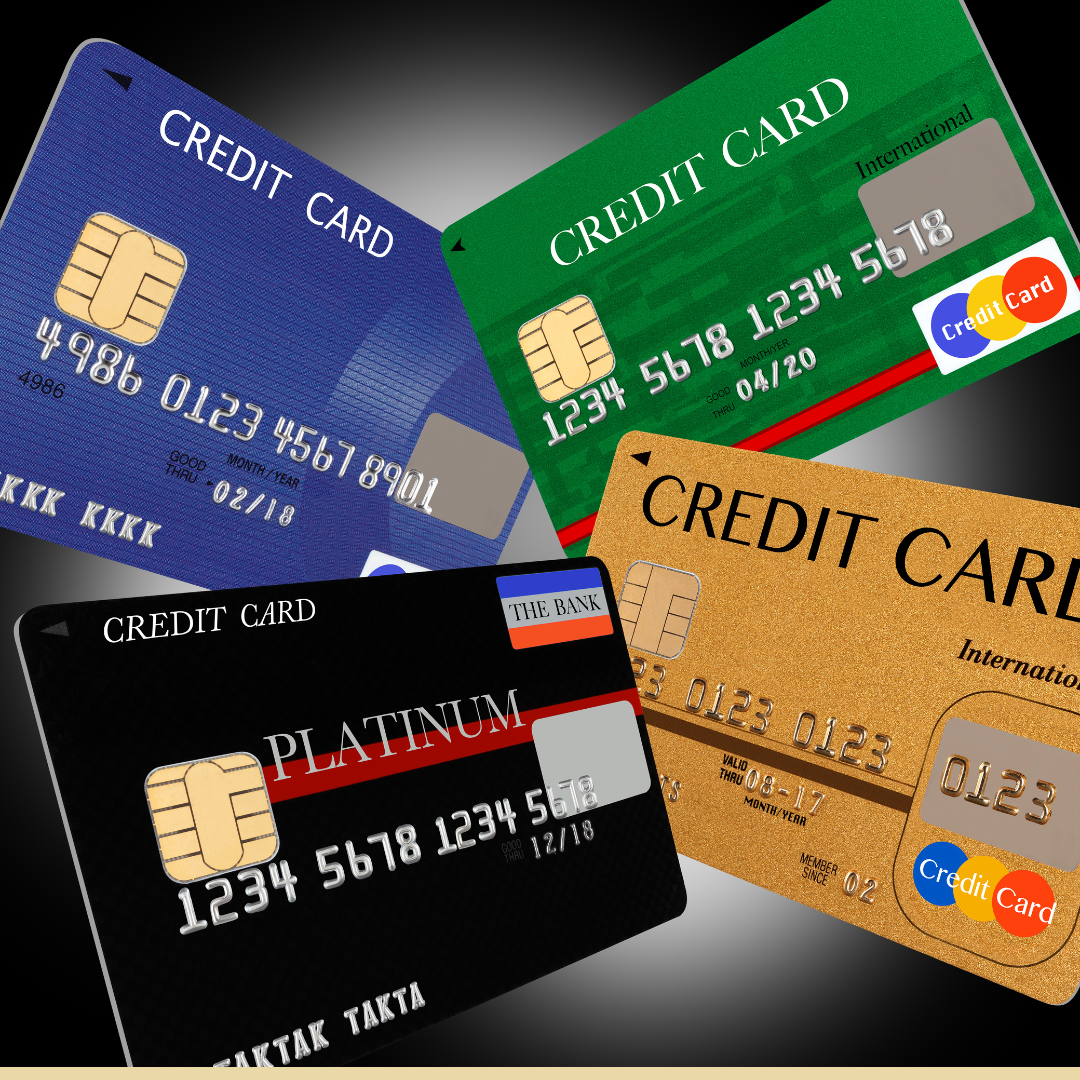
How to consolidate credit card debt becomes an important question when someone feels overwhelmed by multiple credit card balances, rising interest charges, and the stress of juggling several payments.
Consolidation isn’t a magic fix, but it can be a smart strategy when used at the right time and for the right reasons.
This article walks your readers through when Consolidation makes sense, where they are in their debt journey when they start considering it, the best ways to consolidate, the criteria to use when deciding, the pros and cons, and practical insights to help them make a confident decision.
Understanding how to consolidate credit card debt can empower individuals to take control of their finances.
How To Consolidate Credit Card Debt
1. When Someone Starts Thinking About Consolidating Their Credit Card Debt
People usually reach the “should I consolidate?” stage when they hit one or more of these points:
- They’re making payments but not seeing progress.
- Minimum payments barely touch the principal, and balances stay the same month after month.
- Interest rates feel impossible; credit cards often charge 19%–29%, and when interest grows faster than payments, Consolidation becomes appealing.
- They’re juggling too many payments; multiple due dates, multiple balances, and constant reminders create mental fatigue.
- They’re tired of feeling disorganized or stressed; even if they can afford payments, managing several cards can feel chaotic.
- They want structure and predictability; a single monthly payment with a clear payoff timeline feels more manageable.
- They’re motivated to change their financial habits; Consolidation often appears when someone is ready for a fresh start.
2. Where Someone Typically Is in Their Debt Journey When Considering Consolidation
When strategizing how to consolidate credit card debt, consider the best approach for your unique situation. Most people reach the consolidation stage after experiencing one or more of these phases:
A. The “Minimum Payment Trap” Phase
They’ve been paying for months or years, but the balance barely moves. This is often the first sign consolidation might help.
B. The “Interest Shock” Phase
Many people ask how to consolidate credit card debt when they feel overwhelmed. They realize how much interest they’re paying each month and start looking for lower-rate options.
C. The “Payment Overload” Phase
Managing 3–6 credit cards can become overwhelming. They want a single payment instead of several.
D. The “Debt Awareness” Phase
They’ve started budgeting, tracking spending, or learning about personal finance. Consolidation becomes part of a bigger plan to regain control.
E. The “Early Warning Signs of Struggle” Phase
They’re not behind yet, but payments feel tight. Consolidation can prevent things from getting worse.
F. The “I Need a Reset” Phase
They’re ready to simplify, reduce stress, and commit to a structured payoff plan.
3. The Best Ways to Consolidate Credit Card Debt
There are several consolidation methods, each offering different benefits depending on someone’s credit score, income, and goals.
A. Debt Consolidation Loan
A personal loan used to pay off all credit card debt, resulting in a single fixed monthly payment.
Best for:
- People with fair to good credit
- People who want predictable payments
- People who want a clear payoff timeline
Pros:
- Lower interest than credit cards
- One monthly payment
- Fixed end date
- Can improve credit over time
Cons:
- Requires decent credit
- You still owe the full amount
- Can be risky if spending habits don’t change
B. Balance Transfer Credit Card
Move multiple credit card balances onto one card with a low or 0% introductory interest rate.
Best for:
- People with good to excellent credit
- People who can pay off the balance during the promo period
Pros:
- 0% interest for 6–18 months
- Fastest way to pay off debt if used correctly
- One payment
Cons:
- Requires strong credit
- Balance transfer fees (usually 3%–5%)
- High interest after promo period
- Risk of reusing old cards
C. Home Equity Loan or Line of Credit (HELOC)
Use home equity to consolidate high-interest credit card debt.
Best for:
- Homeowners with significant equity
- People who want very low interest rates
Pros:
- Much lower interest
- Longer repayment terms
- One payment
Cons:
- Your home becomes collateral
- Longer repayment can mean more interest over time
- Not ideal if someone struggles with spending habits

D. Debt Management Plan (DMP)
Understanding how to consolidate credit card debt is the first step toward a brighter financial future. A DMP is a structured repayment plan through a credit counselling agency.
Best for:
- People who can repay their debt but need lower interest
- People who want professional guidance
Pros:
- Lower interest rates
- One monthly payment
- No new loans required
Cons:
- You repay the full balance
- Monthly fees may apply
- Requires closing credit cards
4. Pros and Cons of Consolidating Credit Card Debt
Pros
- Lower interest rates → faster payoff
- One monthly payment → less stress
- Clear payoff timeline → more motivation
- Can improve credit if payments are consistent
- Reduces mental load from juggling multiple accounts
Cons
- Doesn’t fix overspending habits
- Requires decent credit for the best options
- Fees may apply (balance transfer, loan origination)
- Risk of reaccumulating debt if old cards are reused
- Home equity options involve collateral

5. Key Insights to Help Someone Decide If Consolidation Is Right for Them
Ultimately, knowing how to consolidate credit card debt can lead to a sense of relief and empowerment.
A. Consolidation works best when paired with behaviour change
If someone keeps using credit cards the same way, Consolidation becomes a temporary bandage.
B. Consolidation is not debt forgiveness
It simplifies and reduces interest, but the debt still needs to be repaid.
C. Credit score matters
Higher credit scores unlock lower interest rates and better consolidation tools.
D. Income stability is important
Consolidation requires consistent monthly payments.
E. It’s okay to ask for help
Credit counsellors can help people understand their options without judgment.
F. Consolidation is a tool
Many people consolidate debt as part of a smart financial reset.
Consolidating credit card debt can be a powerful way to simplify payments, lower interest, and create a clear path toward becoming debt-free.
The key is to recognize when Consolidation makes sense, choose the right method, and pair it with habits that support long-term financial stability.
Consolidating credit card debt starts with understanding your options, choosing the right method for your financial situation, and creating a clear plan to simplify payments and reduce interest so you can finally make real progress toward becoming debt‑free.
Related Posts
Budgeting: https://masteringpersonalfinances.com/budget/
Credit Score: https://masteringpersonalfinances.com/credit-scores/
Debt Payoff: https://masteringpersonalfinances.com/the-debt-to-freedom-blueprint/