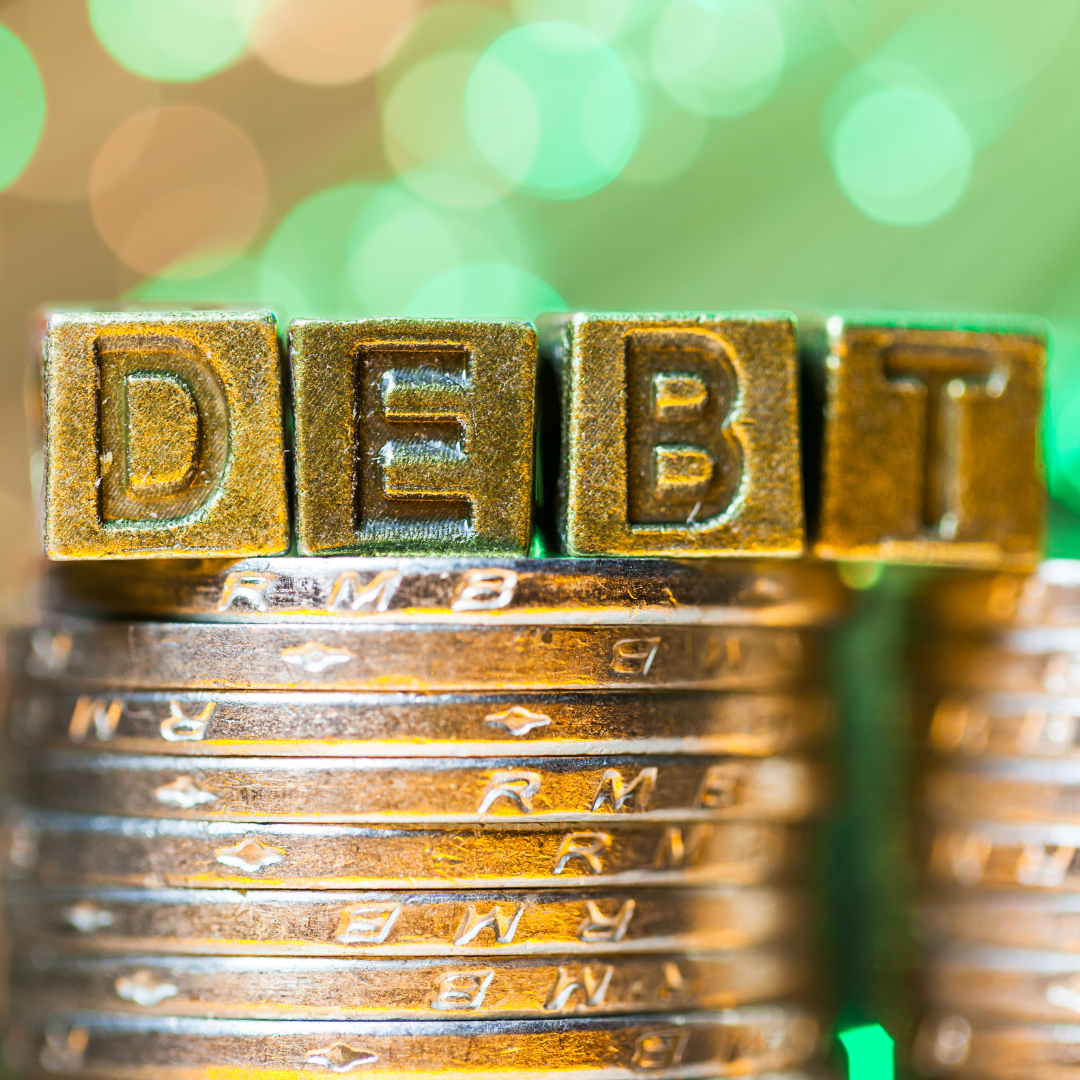
Tackling Debt and Taking Back Control of Your Money
Tackling Debt becomes easier to manage when you understand your options and choose a payoff strategy that fits your lifestyle.
If you’re juggling multiple payments, dealing with high interest rates, or feeling embarrassed or stressed about your financial situation, you’re not alone.
So many people feel this way, and the truth is that debt is something you can absolutely take control of with the right plan.
This guide is here to help you understand your debt, organize it, and create a payment plan.
You’ll learn practical steps, simple strategies, and helpful habits that make the process easier. You’ll also learn what mistakes to avoid and how to stay motivated along the way.
Think of this as your go‑to resource for everything related to paying off debt and building a more confident financial future.
Understanding Debt: What You’re Really Dealing With
Before you start paying off debt, it helps to understand the different types of debt and how they work. This gives you clarity and helps you make smarter decisions when tackling your debt.
Credit card debt
- This is one of the most expensive types of debt because interest rates are usually very high. If you only make minimum payments, it can take years to pay off.
- Learn more about how credit card interest works on the Government of Canada website:
Lines of credit
- These usually have lower interest rates than credit cards, but they can still add up quickly if you’re not careful.
Student loans
- These often come with reasonable interest rates, but the balances can be large and take time to pay off. Learn more about student loans.
Car loans
- These are fixed loans with set payments. The interest rate depends on your credit score and the lender.
Personal loans
- These can help consolidate debt, but they still need careful management.
Buy now, pay later
- These plans seem harmless, but they can pile up fast and create more stress than expected.
Understanding what type of debt you have helps you decide which strategies will work best for you.
How Interest Really Works
Interest is the reason debt feels never‑ending. When you borrow money, you pay extra for the privilege of using it. That extra amount is interest.
Simple interest
- This is interest charged only on the original amount you borrowed.
Compound interest
- This is interest charged on both the original amount and the interest already added. Credit cards use compound interest, which is why balances grow so quickly. Learn more about interest rates from the Bank of Canada.
Minimum payments
- Minimum payments are designed to keep you in debt longer. They cover a small portion of the principal and a large portion of the interest.
Once you understand how interest works, it becomes clear why paying more than the minimum is so important.
11 Practical Ways to Tackle Debt and Take Back Control
These steps are simple, realistic, and designed to help you build momentum.
1. Create a Clear Overview of Your Debts
- Start by writing down every debt you have. Include the minimum payment and due date for the balance.
- Add up the balances of all your debts to determine your total debt amount.
- Highlight debts with the highest interest rates, as these are the most costly and should be prioritized to be paid first.
- Seeing everything in one place helps you understand the full picture. Most people feel more in control the moment they do this because the unknown is often scarier than reality.
2. Prioritize Your Debts
When it comes to choosing a repayment method, the two below are the most popular. Pick one that fits your goals and that you can stick with.
No matter which method you choose, you’ll still need to make the minimum payments on all your debts.
- The avalanche method focuses on paying off the debt with the highest interest rate first. Once the highest-interest debt is paid off, move on to the next high-interest debt.
- One of the benefits of this method is that you’ll save more money on interest. The downside of this method is that it can take a while to pay off the debt, depending on how much you owe. You may struggle to stay motivated.
- The snowball method focuses on paying off the smallest debt first. The advantage of the snowball method is that you’ll enjoy results sooner. You start by paying your smallest balance, then work your way up to the largest balance.
- This method is quite satisfying because when you pay off your first debt, you feel like you’re accomplishing your goals and seeing results much sooner.
Both methods work. The best one is the one you will stick with.
3. Set a Realistic Budget
- A budget is simply a plan for your money. Track what comes in and what goes out so you can see where your money is actually going.
- Once you understand your spending habits, you can redirect extra money toward your debt.
4. Cut Unnecessary Spending
- Look for easy places to trim. Maybe it’s eating out less often, cancelling subscriptions you forgot about, or pausing impulse purchases.
- Even small changes can free up money that you can put toward your debt. Over time, these small adjustments make a big difference.
5. Negotiate With Creditors
- This step can feel intimidating, but it works. Call your creditors and ask if they can lower your interest rate or offer a hardship program. If you have a good payment history, some lenders are willing to work with you to develop a repayment plan.
- Learn more about dealing with lenders from the Financial Consumer Agency of Canada:
- Many lenders are more flexible than people expect. Even a small reduction in interest can help you pay off your debt faster.
6. Consolidate Your Debt
- If you’re juggling several payments, consider combining them into a single payment. This can make your finances easier to manage and may reduce the amount of interest you pay.
- See an example of a debt consolidation loan from RBC:
- Some people use a balance transfer card, a personal loan, or a line of credit. The goal is to simplify your payments and make your debt easier to handle.
Refinancing
If you have a good credit score, you can look into refinancing as another option. Refinancing your debt could lower your interest rate, improve your monthly payments, and save you money.
7. Boost Your Income
- Increasing your income, even temporarily, can speed up your progress. You can work extra hours at work. You might take on a small side job, sell things you no longer use, or try freelancing.
- You don’t need anything dramatic. Even an extra hundred dollars a month can make a noticeable difference when you put it directly toward your debt.
8. Pay More Than the Minimum
- Minimum payments keep you in debt for a long time. Whenever you can, put a little extra toward the principal; it doesn’t have to be a huge amount.
- Even an extra $20 to $50 a month can help you pay off your debt sooner.
9. Avoid Taking On New Debt
- While paying off your debts, a good habit is to use only cash. This helps curb impulsive spending and keep you from spending what you don’t have on hand.
- While you’re working on paying off what you already owe, try to avoid adding new debt. This helps you move forward rather than slip backward.
- Focus on and tackle the debts you have now and give yourself the space to make real progress.
10. Build a Small Emergency Buffer
- Life happens. A flat tire, a broken appliance, or a surprise bill can easily end up on a credit card if you don’t have a small cushion.
- Learn more about financial planning basics.
- Aim for a starter emergency fund of $500 to $1,000. This gives you a bit of protection and helps you avoid going deeper into debt when something unexpected comes up.
- Set up automatic transfers to a separate savings account. Over time, you can build a great safety net for emergencies.
11. Celebrate Your Milestones
Paying off debt takes time, and you deserve to acknowledge your progress. Be proud of yourself when accomplishing your goal. It’s important to stay motivated, especially when you think it’s taking forever, but remind yourself that you’re moving in the right direction.
Common Mistakes to Avoid
Here are a few things that can slow down your progress without you realizing it.
Ignoring your debt because it feels overwhelming.
- Avoiding it only makes the stress worse. Facing it head‑on gives you control.
Relying on credit cards for emergencies.
- This keeps you stuck in the cycle. A small emergency fund helps break it.
Trying to be too strict.
- If your plan is unrealistic, you won’t stick to it.
Not tracking your spending.
- It’s easy to overspend when you’re not paying attention. Awareness is knowing how.
Comparing your journey to someone else’s.
- Everyone’s situation is different. Focus on your own progress and your own goals.
Helpful Tools and Resources
Here are a few things that can make your journey easier.
Spreadsheets
These tools help you stay organized and motivated.
Mindset Matters More Than You Think
- Many people deal with shame, fear, or frustration when it comes to money. These feelings are normal, but they don’t have to control your decisions.
- Be kind to yourself. You’re taking steps to improve your life, and that deserves recognition.
- Becoming debt‑free doesn’t happen overnight, but every step you take brings you closer to the life you want.
You just need to stay consistent and keep moving forward. With a clear plan, patience, and a lot of determination, you can take back control of your money and build a future that feels stable and stress‑free.
Check out this article: https://masteringpersonalfinances.com/preventing-future-debt/