Why minimum payments keep you in debt comes down to how credit card interest works, and understanding this trap is the first step to breaking free. Minimum payments feel manageable, but they’re designed to stretch your debt for years by covering mostly interest instead of the balance. Once you understand how the cycle works, you can take practical steps to pay off debt faster and regain control of your finances.
Why Minimum Payments Keep You in Debt
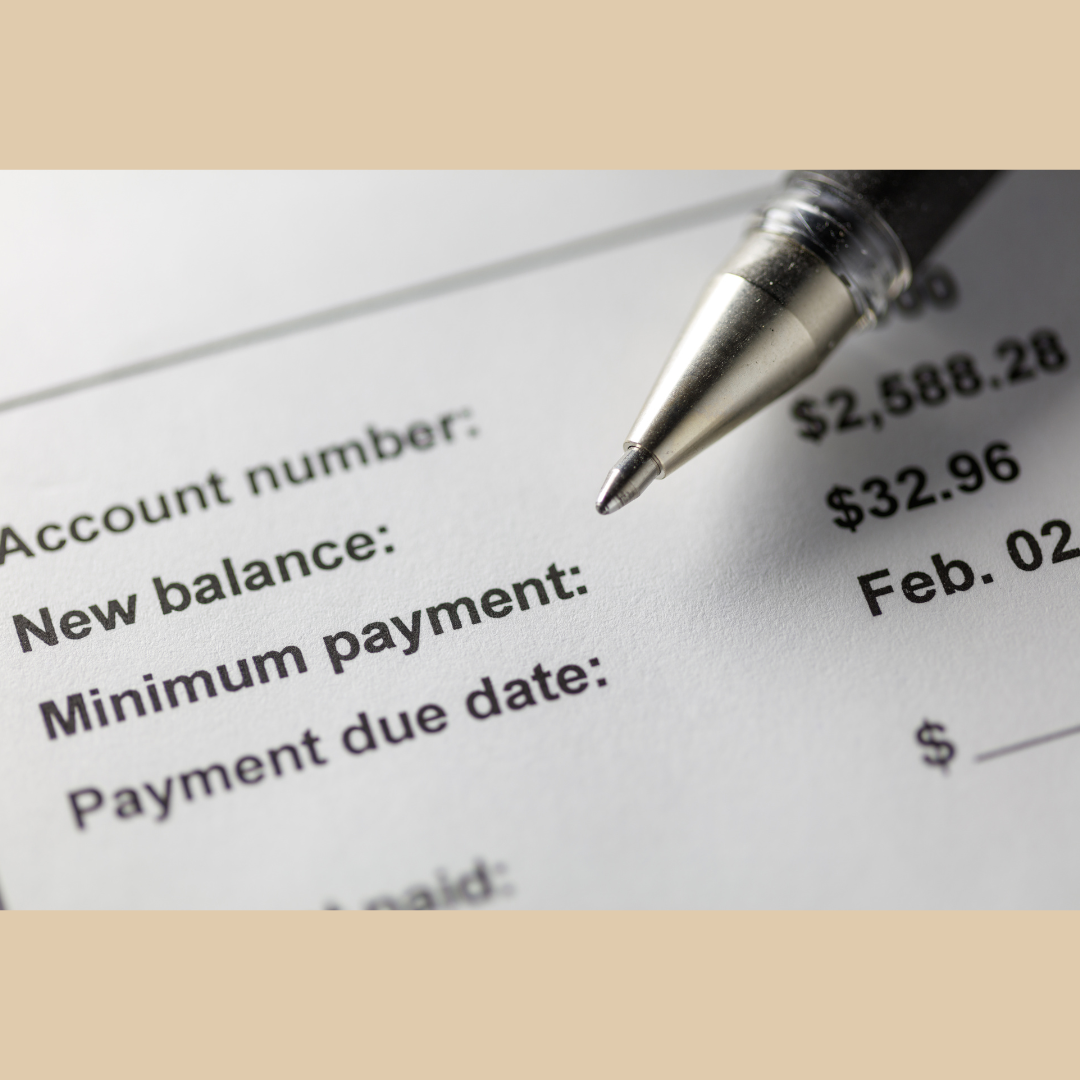
A common question is why paying the minimum doesn’t actually move your balance. Credit card minimums are intentionally low, usually 2% to 3% of your balance or a small flat amount. While this keeps your account current, most of the payment goes toward interest rather than the principal. It’s one of the reasons why minimum payments keep you in debt.
That’s why balances barely shrink even when you never miss a payment.
For example, a $3,000 balance at 19.99% interest could take decades to pay off with minimum payments, costing thousands more than the original amount.
Understanding this structure is key to avoiding long‑term debt.
If You’re Struggling to Make Minimum Payments
If minimum payments already feel difficult, these steps can help stabilize your situation:
- Contact Your Creditors
Explain your situation early. Many lenders offer hardship programs, temporary interest reductions, or flexible payment arrangements. Being proactive prevents accounts from falling behind.
- Pay What You Can, On Time
Even if you can’t cover the full minimum, paying something and communicating with your lender shows effort and can help during negotiations.
- Create a Budget
Pause non‑essential spending and redirect every extra dollar toward debt. Even $10–$20 above the minimum reduces interest and shortens repayment time.
- Consider a Low‑Interest Balance Transfer
A 0% or reduced‑rate promotional card can give you breathing room. Just avoid new purchases and watch for transfer fees and the post-promo exchange rate.
- Look Into Debt Consolidation
A lower‑interest consolidation loan can simplify payments and reduce interest costs, especially if your credit is still in good standing.
- Seek Professional Credit Counselling
Nonprofit agencies can help negotiate with creditors, develop a repayment plan, or discuss options such as consumer proposals if the debt is unmanageable.
Strategies to Pay Off Debt Faster
Pay off the smallest balance first, then make the minimum payments on the rest. Each payoff creates momentum.
Focus on the highest‑interest debt first to save the most money long‑term.
- Automate Payments
Automatic transfers — even small ones — ensure consistent progress and prevent missed payments.
- Increase Income
Side gigs, overtime, or selling unused items can create extra cash to put toward debt.
- Cut Major Expenses Temporarily
Downsizing housing, reducing transportation costs, or renegotiating bills can free up meaningful cash flow.
- Use Community Resources
Some organizations offer relief funds, low‑interest loans, or financial support programs for people in hardship.
Key Facts About Minimum Payments
- Definition: The smallest amount required to keep your account in good standing.
- How it’s calculated: Usually 2%–5% of your balance or a fixed amount, plus interest and fees.
- It changes monthly: Based on your balance, interest, and any past‑due amounts.
- It prevents penalties: Paying the minimum avoids late fees and protects your credit score.
- It’s expensive in the long term: Most of the payment goes toward interest, not the principal.
- It can increase debt: If you continue making new purchases, your balance grows faster than you can pay it down.
- Paying more saves money: Even small extra payments reduce interest and shorten repayment time.
How to Avoid Long‑Term Interest Costs
- Pay more than the minimum whenever possible.
- Pay bills on time to avoid fees and penalty interest.
- Use balance transfers strategically.
- Avoid new debt while paying off existing balances.
- Automate payments above the minimum.
- Negotiate lower interest rates.
- Build an emergency fund to avoid relying on credit.
Being intentional with your payments and understanding how minimums work can help you break the cycle and move toward financial stability.