Line of credit vs a loan is one of the most common financial comparisons people struggle with, and understanding the difference helps you choose the right borrowing option for your needs.
Comparing a line of credit vs. a loan is important for making informed choices.
A Line of Credit vs a Loan: What’s the Difference and How to Choose
A line of credit and a loan may seem similar at first, but they serve very different purposes. Understanding how each one works helps you avoid unnecessary interest and choose the borrowing option that supports your financial goals.
Picking the wrong one could mean paying more in interest, dealing with extra stress, or facing bigger financial problems later.
A line of credit gives you ongoing access to funds, which makes it helpful for unpredictable expenses. A loan, on the other hand, gives you structure and a clear payoff plan, which is ideal when you know exactly how much you need to borrow.
Many people struggle with choosing between a line of credit and a loan because both options have benefits. The key is matching the borrowing tool to your situation, your spending habits, and the type of expense you’re dealing with.
When considering a line of credit vs. a loan, it’s important to evaluate your financial situation and needs.
This guide explains the differences between a line of credit and a loan in simple terms, so you’ll know how each works and when to use them.
Choosing between a line of credit vs. a loan can significantly impact your financial health.
Whether you choose a line of credit vs. a loan depends on several factors, including your financial stability.
1. What Is a Line of Credit?
A line of credit (LOC) is a flexible way to borrow money. You can use it again and again, like a pool of funds you can dip into when needed.
Consider how a line of credit vs. a loan can serve your financial needs effectively.
How it works:
- You’re approved for a maximum limit (example: $5,000).
- You can borrow as much or as little as you want.
- You only pay interest on the amount you use.
- When you repay it, the money becomes available again.
Best for:
- Emergencies
- Unexpected expenses
- Ongoing costs
- Cash‑flow gaps
Example:
If you have a $5,000 line of credit and borrow $800 for car repairs, you only pay interest on the $800 — not the whole $5,000.
2. What Is a Loan?
A loan gives you a set amount of money all at once, and you pay it back on a fixed schedule.
How it works:
- You receive a lump sum (example: $10,000).
- You repay it in fixed monthly payments.
- Interest is based on the full amount.
- Once it’s paid off, the loan is closed.
Best for:
- Large, one‑time expenses
- Debt consolidation
- Home renovations
- Major purchases
Example:
If you take out a $10,000 loan for a home project, you’ll repay it over three years with the same amount due each month.
3. Line of Credit vs Loan: Key Differences
| Feature | Line of Credit | Loan |
|---|---|---|
| Money Access | Borrow as needed | One lump sum |
| Interest | Only on what you use | On the full amount |
| Payments | Flexible | Fixed monthly payments |
| Best For | Ongoing or unpredictable expenses | One‑time, planned expenses |
| Interest Rate | Usually variable | Can be fixed or variable |
| Reusability | Reusable | Not reusable |
Knowing these differences can help you pick the option that fits your needs best.
4. When a Line of Credit Is the Better Choice
Choose a line of credit if you need flexibility.
Ideal for:
- Emergency fund backup
- Car repairs
- Medical expenses
- Home maintenance
- Short‑term cash flow issues
- Students needing occasional funds
Why it works:
You only pay interest on the money you use.
Whether you choose a line of credit vs. a loan will depend on your unique financial needs.
The decision between a line of credit vs. a loan should fit with your overall financial picture.

5. When a Loan Is the Better Choice
Pick a loan if you want structure and predictable payments.
Ideal for:
- Debt consolidation
- Buying furniture or appliances
- Home renovations
- Weddings
- Large planned expenses
Why it works:
You always know your monthly payment and when the loan will be paid off.
6. How to Choose Between a Line of Credit and a Loan
Choose a line of credit if:
- You don’t know the exact amount you’ll need.
- You want flexibility.
- You prefer borrowing small amounts over time.
- You want to pay interest only when you borrow.
Choose a loan if:
-
- You know exactly how much you need.
- You like fixed payments.
- You want a clear payoff date.
- You’re consolidating debt.
7. Common Mistakes to Avoid
- Using a line of credit like free money — it’s still debt, and interest adds up quickly.
- Taking a loan for small, unpredictable expenses — a line of credit is better for that.
- Only making minimum payments on a line of credit — this keeps you in debt longer.
- Borrowing more than you need — especially with loans, since you pay interest on the full amount.
Whether a line of credit vs loan is right for you depends on your strategy and needs.
Choose the Borrowing Tool That Matches Your Needs
Understanding the difference between a line of credit and a loan helps you make better borrowing decisions, avoid extra interest, and stay financially organized.
By knowing the differences between a line of credit and a loan, you can enhance your financial strategy.
A line of credit offers you flexibility.
A loan offers you structure.
The best option depends on your goals, spending habits, and the type of expense.
The Cost of Flexibility: Why Lines of Credit Can Become Expensive
A line of credit seems flexible since you can borrow as much as you need, whenever you need it. However, this flexibility often means facing variable interest rates, which can be a hidden cost.
If interest rates go up, your line of credit becomes more expensive immediately. Minimum payments increase, and you pay more interest even if your balance doesn’t change. Loans usually have fixed interest rates, so payments stay the same.
Why this matters:
Many people choose lines of credit because they seem cheaper at first. But if rates rise, a line of credit can cost more than a loan — even if the loan started with a higher rate.
Takeaway:
A line of credit offers flexibility, while a loan offers stability. If you want predictable payments, choose stability.
The Behaviour Trap
Ultimately, selecting between a line of credit vs a loan is about aligning with your unique financial situation.
A line of credit is always available, which can lead to borrowing for non‑emergencies. Loans are different — you receive a set amount once, and the payment schedule helps you stay disciplined.
Why this matters:
Many people stay in line‑of‑credit debt for years not because they needed the money, but because it was easy to use. Loans help prevent impulse borrowing.
Takeaway:
If you struggle with overspending, a loan is usually safer than a line of credit.
 The Minimum Payment Problem: Why LOC Debt Lasts Longer
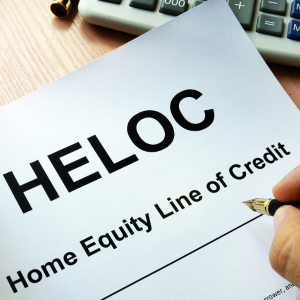
Most lines of credit require only interest payments each month. This means your balance may not decrease at all.
This keeps people in debt for years. Loans don’t have this problem because each payment reduces both principal and interest.
Understanding the differences between a line of credit and a loan can be the key to managing debt successfully.
Why this matters:
If you borrow $5,000 on a line of credit and pay only the minimum, you could still owe $5,000 a year later. With a loan, your balance decreases over time.
Takeaway:
If you use a line of credit, create your own repayment plan. Don’t rely on minimum payments.
How Each Option Builds or Hurts Your Credit
Lines of credit and loans affect your credit score differently.
Line of credit:
Works like a credit card. High utilization can lower your score. Keeping your balance low helps.
Loan:
Adds an installment account to your credit mix. On‑time payments strengthen your credit history.
Why this matters:
If you’re rebuilding credit, a loan may help more because it provides structure. If your credit is already strong, a line of credit may offer more flexibility.
Takeaway:
Choose the option that matches your credit goals — stability for rebuilding, flexibility for strong credit.
In conclusion, identifying whether a line of credit vs. a loan fits your needs will empower your financial decisions.
Related Articles:
Credit Score: https://masteringpersonalfinances.com/credit-scores/
Debt Payoff: https://masteringpersonalfinances.com/how-to-consolidate-credit-card-debt/