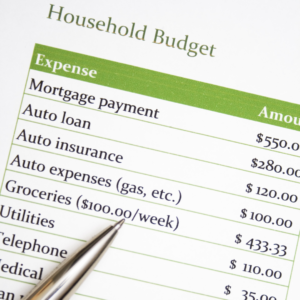

$10,000 money challenge starts with a simple plan that helps you save consistently, stay motivated, and reach your financial goal one step at a time. Saving $10,000 may sound overwhelming, but with a clear strategy and steady progress, this challenge becomes achievable for anyone.
Ever wondered what it takes to save $10,000? The $10,000 money challenge breaks it down into doable steps that fit your lifestyle, income, and goals.
Whether you want an emergency fund, debt payoff money, or financial security, this challenge helps you build momentum and confidence.
Even if six months feels too fast, you can complete the $10,000 money challenge on your own timeline. The goal is progress, not perfection. Every dollar saved moves you closer to financial freedom.
$10,000 Money Challenge Starts Now
Step 1: Set Your Time Frame
The traditional $10,000 money challenge lasts six months. That means saving about:
- $1,667 per month
- $417 per week
But not everyone can save at that pace—and that’s okay. If six months feels too tight, stretch the challenge to:
- 10 months → $1,000/month
- 12 months → $833/month
The goal stays the same: $10,000 saved. The timeline is yours to choose.
Step 2: Know Your “Why”
Before starting the $10,000 money challenge, ask yourself why you want to save this amount. Your “why” keeps you motivated when the challenge feels tough.
- Peace of mind
- Emergency fund
- Down payment
- Debt payoff
- Proving you can do it
Write your reason down and keep it visible—on your fridge, phone wallpaper, or journal.
Step 3: Break It Down
The $10,000 money challenge becomes easier when you break it into smaller steps. If you’re aiming for six months, here’s how to stay on track:
Find Your Strategy
- Cut back without feeling deprived
- Cook at home more often
- Use the 24-hour rule for impulse purchases
Increase Your Income
- Freelance or pick up a side hustle
- Sell unused items online
- Offer services like babysitting, pet sitting, or resume writing
Automate Your Savings
- Set automatic transfers to a separate savings account
- Use round-up apps to save spare change
- Treat savings like a bill—non-negotiable
Track Every Dollar
- Use a budget planner
- Review your spending weekly
- Celebrate every $100 saved
Step 4: Stay Motivated
Saving money is emotional. Some days you’ll feel unstoppable; other days you’ll question everything. The $10,000 money challenge helps you stay focused and consistent.
- Create a savings thermometer or tracker.
- Celebrate every $1,000 milestone
- Join a community or share progress with friends
- Forgive slip-ups—one bad week doesn’t ruin the challenge

The Benefits of Completing the Challenge
When you hit the $10,000 mark, you gain:
- Confidence in your financial skills
- A cushion for emergencies or opportunities
- Freedom to make choices without fear
- A powerful sense of accomplishment
Saving $10,000 is possible. It may require tightening your budget, but challenges help you grow, learn, and build new habits.
Practical Solutions for Lower Monthly Contributions
If you can’t save $1,700 per month, don’t worry. The $10,000 money challenge can be adjusted to fit your income and lifestyle.
Extended Timeline
Saving $10,000 in 12 months means saving $833 per month—much more manageable for many people.
Weekly Approach
Save $200–$250 per week, or start lower and increase your deposits as your income allows.
Progressive Deposit Method
Start small and increase weekly deposits. For example, save $5 more each week using the 52-week challenge. Even if you don’t reach $10,000, you build strong habits that accelerate future savings.
Strategies to Make Lower Monthly Payments Work
- Track income and expenses: Use apps or spreadsheets to understand your money flow.
- Reduce expenses: Cut transportation costs, subscriptions, and unnecessary spending.
- Increase income: Explore side jobs or freelance work.
- Automate savings: Transfer a set amount after every payday.
Sample Savings Timelines
| Time Frame | Monthly Payment | Weekly Payment |
|---|---|---|
| 12 months | $833 | $192 |
| 18 months | $555 | $128 |
| 24 months | $417 | $96 |
These options allow you to personalize your $10,000 money challenge and adjust deposits during high-income months while reducing them during tighter periods.
How to Make the $10,000 Money Challenge Fit Any Budget
The biggest misconception about the $10,000 money challenge is that you must save huge amounts of money every month to reach your goal. But the truth is that this challenge is flexible.
It can be customized for low-income households, single parents, students, or anyone working with a tight budget.
Even if you can only save $50 a week, you’re still building the habits that will help you reach $10,000 over time.
Here’s how to make the challenge work no matter your income level.
How To Create A Budget: In 6 Simple Steps
Money Habits That Keep You Broke (And How To Break Them)
Start With What You Can Save Today
Many people avoid savings challenges because they feel embarrassed about starting small. But small amounts add up faster than you think.
If you can save:
- $20/week → $1,040/year
- $50/week → $2,600/year
- $100/week → $5,200/year
Even if you don’t reach $10,000 in the first year, you’re building the foundation that will help you reach it in the second year. The $10,000 money challenge is not a race; it’s a commitment to consistent progress.
Use the “Income Percentage Method”
Instead of choosing a fixed amount, save a percentage of your income. This method works especially well for people with fluctuating income.
Try saving:
- 5% of your income
- 10% of your income
- 15% of your income
If you earn $3,000/month and save 10%, that’s $300/month — or $3,600/year. Increase the percentage as your income grows or your expenses decrease.
The “High-Low” Savings Method
This method helps you stay consistent even when your income changes.
- Save more during high-income months
- Save less during low-income months
For example:
- January: $600
- February: $300
- March: $450
- April: $200
At the end of four months, you’ve saved $1,550 — without stressing yourself out.
This flexible approach makes the $10,000 money challenge feel achievable instead of overwhelming.
Creative Ways to Increase Your Savings Without Cutting Everything
Saving money doesn’t always mean sacrificing your lifestyle. Here are realistic ways to boost your savings without feeling deprived.
1. Replace One Expensive Habit
Choose one habit that costs you money every week and replace it with a cheaper alternative.
Examples:
- Replace takeout twice a week → save $40/week
- Replace daily coffee → save $20/week
- Replace impulse shopping → save $50/week
These small changes can save you $100–$200 per month, which is a huge boost for the $10,000 money challenge.
2. Use “No-Spend Days”
Pick one or two days each week where you spend nothing outside of essentials. This helps you:
- reduce impulse purchases
- become more mindful
- save money without feeling restricted
Even one no-spend day per week can save $150–$300 per month.
3. Use Cash for Certain Categories
Cash makes you more aware of your spending. Try using cash for:
- groceries
- entertainment
- dining out
Once the cash is gone, you stop spending. This naturally frees up money for your savings challenge.
How to Stay Motivated During the $10,000 Money Challenge
Motivation is the hardest part of any savings challenge. Here’s how to stay committed even when the excitement fades.
Create a Visual Tracker
Visual progress is powerful. Use:
- a printable chart
- a digital thermometer
- a savings jar
- a wall calendar
Every time you save money, fill in a section. Seeing your progress grow keeps you motivated.
Reward Yourself at Milestones
Every $1,000 saved deserves a celebration. Choose small, affordable rewards like:
- a movie night
- a special dessert
- a new book
- a self-care treat
Rewards help your brain associate saving with positive feelings.
Join a Savings Community
You don’t have to do the $10,000 money challenge alone. Join:
- Facebook groups
- Reddit communities
- TikTok savings challenges
- local financial workshops
Sharing your progress makes the challenge more fun and keeps you accountable.
Troubleshooting: What to Do When You Fall Behind
Everyone falls behind at some point; it’s normal. Here’s how to get back on track without feeling discouraged.
1. Revisit Your Budget
Look at your spending for the last 30 days. Ask yourself:
- What surprised me?
- What can I reduce?
- What can I eliminate?
Even small adjustments can free up $50–$200 per month.
2. Adjust Your Timeline
If you fall behind, extend your challenge by:
- 1 month
- 3 months
- 6 months
The goal is still $10,000 — you’re simply giving yourself more time.
3. Add a Temporary Side Income
You don’t need a long-term side hustle. Try short-term income boosts like:
- selling items
- seasonal work
- weekend gigs
- freelance tasks
Even an extra $100–$300 per month helps you catch up quickly.
4. Forgive Yourself and Keep Going
One bad week doesn’t ruin the challenge. What matters is consistency over time, not perfection.
Real-Life Examples of the $10,000 Money Challenge
Here are three realistic examples to show how different people can complete the challenge.
Example 1: The 6-Month Sprinter
- Monthly savings: $1,667
- Weekly savings: $417
- Strategy: high income + strict budget
- Result: $10,000 in 6 months
Example 2: The 12-Month Steady Saver
- Monthly savings: $833
- Weekly savings: $192
- Strategy: moderate income + reduced expenses
- Result: $10,000 in 12 months
Example 3: The 18-Month Flexible Saver
- Monthly savings: $555
- Weekly savings: $128
- Strategy: low income + side hustle
- Result: $10,000 in 18 months
All three reach the same goal — just at different speeds.
Why the $10,000 Money Challenge Works
This challenge works because it teaches you:
- discipline
- consistency
- budgeting skills
- financial awareness
- long-term planning
Saving $10,000 is not just about the money; it’s about becoming the kind of person who can reach big financial goals.
Keeping Motivation Strong for Longer Challenges
- Set mini-goals and celebrate each $1,000 saved
- Use printable or digital savings trackers
- Find an accountability partner
The $10,000 money challenge is flexible, empowering, and achievable. With consistency and a clear plan, you can reach your goal and feel great about your progress.