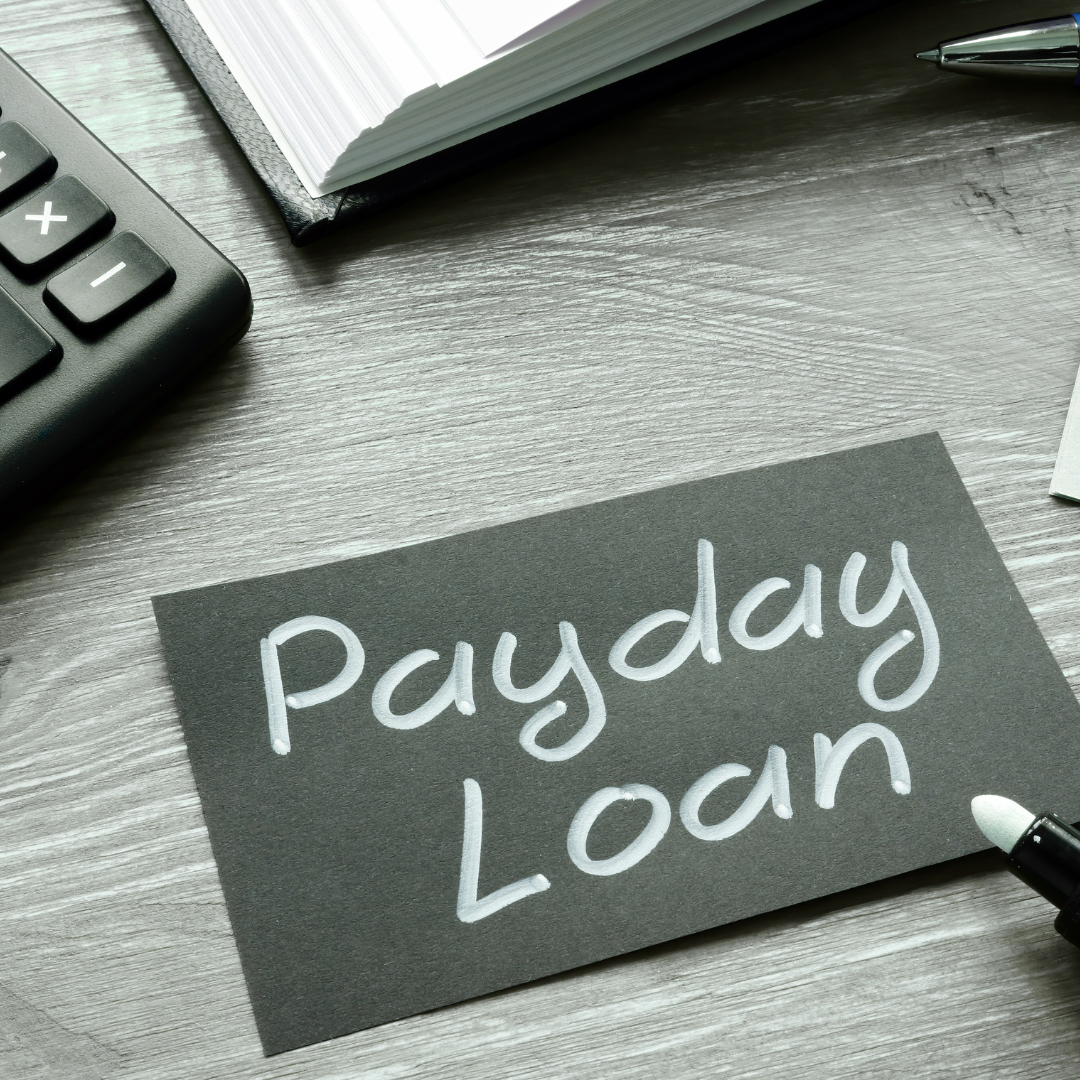
Payday loans are short-term, high-cost loans that promise fast cash when people need it most. Usually, before the next paycheque arrives.
But understanding exactly how they work, where they fit in your financial toolkit, and the risks involved is essential before considering one.
Here’s a straightforward, practical guide to everything you need to know about payday loans, how they work, when (if ever) to use them, mistakes to avoid, and more innovative strategies for anyone facing a cash shortfall.
What are Payday Loans?
A payday loan is a small, short-term loan, typically from $100 to $1,500, meant to tide someone over until their next paycheque.
The appeal is quick approval (often within minutes or hours) and minimal requirements: proof of income, a bank account, and a government ID are usually enough.
There’s rarely a credit check, which makes them accessible but also risky.
Payment is usually due on your next payday or within two or four weeks. The lender either withdraws the amount directly from your bank account or posts a dated cheque you provide.
What Makes Them Dangerous?
Payday loans are the most expensive way to borrow in Canada. Lenders often charge around $15-$20 for every $100 borrowed, which works out to an annual percentage rate (APR) of 400%-600% or higher.
For example, a $300 loan could cost $345 in just two weeks.
If you can’t repay in full on time, fees and interest multiply fast. Many people get caught in a costly cycle. Taking new loans to pay off the last one, digging deeper into debt.
There are also extra charges for late payments or insufficient funds, which can lead to even more financial stress.
How To Use a Payday Loan (If You Must)
There are rare, legitimate cases for using a payday loan:
- True emergencies when all other options fail you (e.g., car broke down, medical crisis, urgent bill to avoid shutoff).
- You know for sure you’ll have enough money to repay in full by the due date.
If you go this route:
- Ask friends/family for a small, short-term loan. Many prefer to help rather than see you pay huge interest.
- Talk to your employer about a pay advance or to community agencies about short-term aid.
- Use an overdraft or low-interest line of credit. Still cheaper than payday loans.
- Try a credit union for a small loan; rates are much lower, and approvals can be more flexible.
- Negotiate payment delays with creditors or utility companies. Most would rather work out a plan than see you go to collections.
- Consider a cash advance from your credit card; the interest is lower than that of a payday loan, though still expensive.
- Seek nonprofit credit counselling for help creating a budget and dealing with severe debt.
Tips To Break Free from Payday Loan Cycles
- Budget for emergencies. Start with even $10 per paycheque in savings or whatever you can spare.
- Track spending and cut back on non-essentials, for good.
- Explore new ways to boost income for extra cash.
- Never be embarrassed to ask for help or advice; community agencies are there for a reason.
Common Pitfalls Of Payday Loans To Avoid Include:
Extremely High Costs: Payday loans often have annual percentage rates of 400% or more, making them the most expensive way to borrow.
Even a short-term loan can cost multiples of what you’d pay with a credit card or personal loan.
Debt Trap Cycle: Because repayment is due quickly and many people struggle to pay the full amount plus fees on time, borrowers may roll one payday loan into another.
This cycle leads to repeated borrowing, accumulating more fees, and making it harder to get out of debt.
Short Repayment Periods: Loans are typically due within two weeks (or sometimes up to 62 days). This brief window makes it hard for many to gather the funds, especially if money is already tight.
Failure to repay on time results in even higher costs.
Single Lump-Sum Payment: Unlike installment loans, payday loans require repayment of the full amount in a single payment. This structure makes default, or repeated borrowing, less likely.
Hidden Fees and Terms: Many payday loan contracts include clauses for extra charges, late payments, or failed withdrawals.
It’s easy to miss these in the fine print, leading to “surprise” charges and extra deductions from your bank account.
Risk to Bank Account: Lenders often require direct access to your account-dated cheque. If there aren’t enough funds, you may face NSF (non-sufficient funds) fees from both the bank and the lender, further increasing your debt.
No Credit Benefit: Paying a payday loan on time doesn’t help your credit, but falling behind can send your account to collections, damaging your credit score.
Encourages Poor Financial Habits: The convenience and speed of payday loans can make it easy to borrow for non-emergencies or become dependent on them instead of building a sustainable budget and emergency fund.
Key recommendation: Understand all fees and terms, borrow only in a true emergency, and at once seek alternatives or help if you’re unable to repay as scheduled.
Avoid renewal or repeat use at all costs to prevent a damaging debt spiral.
Healthier Alternative to Payday Loans
Healthier alternatives to payday loans include several lower-cost, safer, and more sustainable options for quick cash and emergency expenses:
- Overdraft protection: Most major Canadian banks offer overdraft protection for chequing accounts. While there’s a fee, it is much less expensive than payday loan rates.
- Bank or credit union: Many Canadian credit unions and banks offer small, short-term personal loans at much lower interest rates than payday loans. Approval may be based on your relationship with the institution, not just your credit score.
- Line of credit: A personal line of credit offers flexible borrowing with lower interest rates and no requirement for full repayment by your next payday.
- Credit card cash advance: While interest rates are higher than those on most loans, the terms are still much better than those of payday loans, and repayment can be spread over several months.
- Cash advance apps: Apps like Bree, Nyble, or KOHO’s Cover feature small, quick advances with no or very low fees, and often no credit check.
- Negotiated payment plans: Contact creditors, utility companies, or service providers to work out an installment plan or request payment extensions, rather than taking out a payday loan for bills.
- Borrow from friends or family: While it can feel awkward, this is often the cheapest, safest way to cover an emergency, especially if repaid promptly.
- Government and nonprofit help: Many provinces and cities (like the Toronto Rent Bank) offer emergency aid and grant programs for Canadians struggling to pay for essentials like rent and utilities.
- Peer-to-peer lending: Platforms like GoPeer can connect you with other Canadians willing to lend at lower rates than payday lenders.
All these alternatives are available in Canada to help individuals avoid the high costs and the debt cycles associated with payday loans.
Exploring these options can save you hundreds in fees and protect your financial status.
Check out this article:https://masteringpersonalfinances.com/creating-a-debt-repayment-plan/