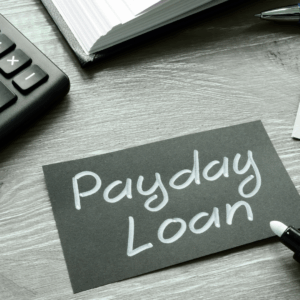

“Paycheck to paycheck living doesn’t have to be your reality, learn how women can take control of their finances and start building true financial freedom.”
You work hard, pay your bills, and still feel like there’s never enough money left. You’re not alone. Many women, even those with good jobs, feel stuck in this cycle.
The cost of living keeps rising, unexpected expenses keep increasing, and saving money seems nearly impossible.
However, you can break free from this cycle. It takes time, but small, consistent changes can help you shift from survival mode to stability.
Let’s go through a few simple, manageable steps to help you regain control of your finances and finally breathe a little easier.
Stop Living Paycheck to Paycheck: Face Your Finances Head-On
The first step to breaking free is understanding exactly where your money is going. It might feel like too much work, but awareness is what you need to turn things around.
How can you fix something if you don’t know what it is?
- Write down your monthly income.
- List every expense (bills, subscriptions, groceries, everything).
Look at where your money disappears each month.
Most people realize they’re spending more than they thought on takeout, streaming services, and impulse shopping. Awareness is the first step towards change.
Create a Simple Money Plan
Money without a plan vanishes. To stay in control, pay yourself first and cover your essentials. Then give your money a purpose. This way, you’ll always know where your money is going and remain in control.
Try this:
- Pay yourself first. Put it into a savings account. Paying yourself first means setting aside a portion of your income for savings. Doing so ensures you’re preparing for the future and building a savings habit.
- Cover your essentials (rent, food, utilities) from your checking account.
You can use the 50/30/20 method:
- 50% for needs
- 30% for wants
- 20% for savings and debt
If 20% feels too high right now, start smaller.
Build a Safety Net
Living paycheck to paycheck makes unexpected expenses stressful. Emergencies are part of life, and you never know when one might occur, forcing you to find additional funds quickly.
That’s why opening an additional savings account for emergencies is essential. First, aim for $1,000, then work toward saving enough to cover three to six months of living costs. It is your emergency fund.
Cut Costs Without Feeling Deprived
Most people think saving means giving up everything fun. That’s not true. You’re just being smarter with your money.
Smart saving ideas:
- Review your subscriptions and cancel the ones you don’t use.
- Cook more meals at home (it saves hundreds each month).
- Utilize cashback apps or loyalty points.
- Shop second-hand or take advantage of sales for big purchases.
You’d be surprised how quickly minor adjustments can add up.
Increase Your Income
When you can’t cut expenses any further, focus on increasing revenue. Even an extra $200-$300 per month can make a notable difference.
Additional income will help you save faster and provide greater security. Many side hustles can be done from home.
Tackle Debt Strategically
Debt is one of the main reasons people stay stuck in the paycheck cycle.
Here’s a simple plan:
- List your debts (smallest to largest).
- Pay minimums on all accounts and apply any extra money to the smallest debt.
- Once it’s paid, roll that payment into the next one.
This is the snowball method. It works because it pays off your smallest debts first, so you see results that build your momentum.
If your interest rates are high, consider calling your lender to negotiate or consolidate for lower payments.
Automate Your Savings
Make saving effortless by setting up automatic transfers. Each payday, have a small amount, or whatever you can save, automatically moved into your savings account.
You won’t have to think about it, and your money will grow.
This small step changes everything. It builds consistency and removes temptation.
Let’s be honest, when you’re living paycheck to paycheck, you need to change your money habits. It takes time and effort. But you can do it.
Take some time to think about it and take action. Track your spending and create a budget; automate your savings; pay for essentials; and pay off your debt as quickly as possible.
If you have debt, most of your money is going towards it.
Spoiler alert: If you’re living paycheck to paycheck, is it because of your debt? Let me know in the comments.
Check out this article: https://masteringpersonalfinances.com/make-your-money-last/
Check out this too: https://masteringpersonalfinances.com/living-expenses-with-a-budget/