
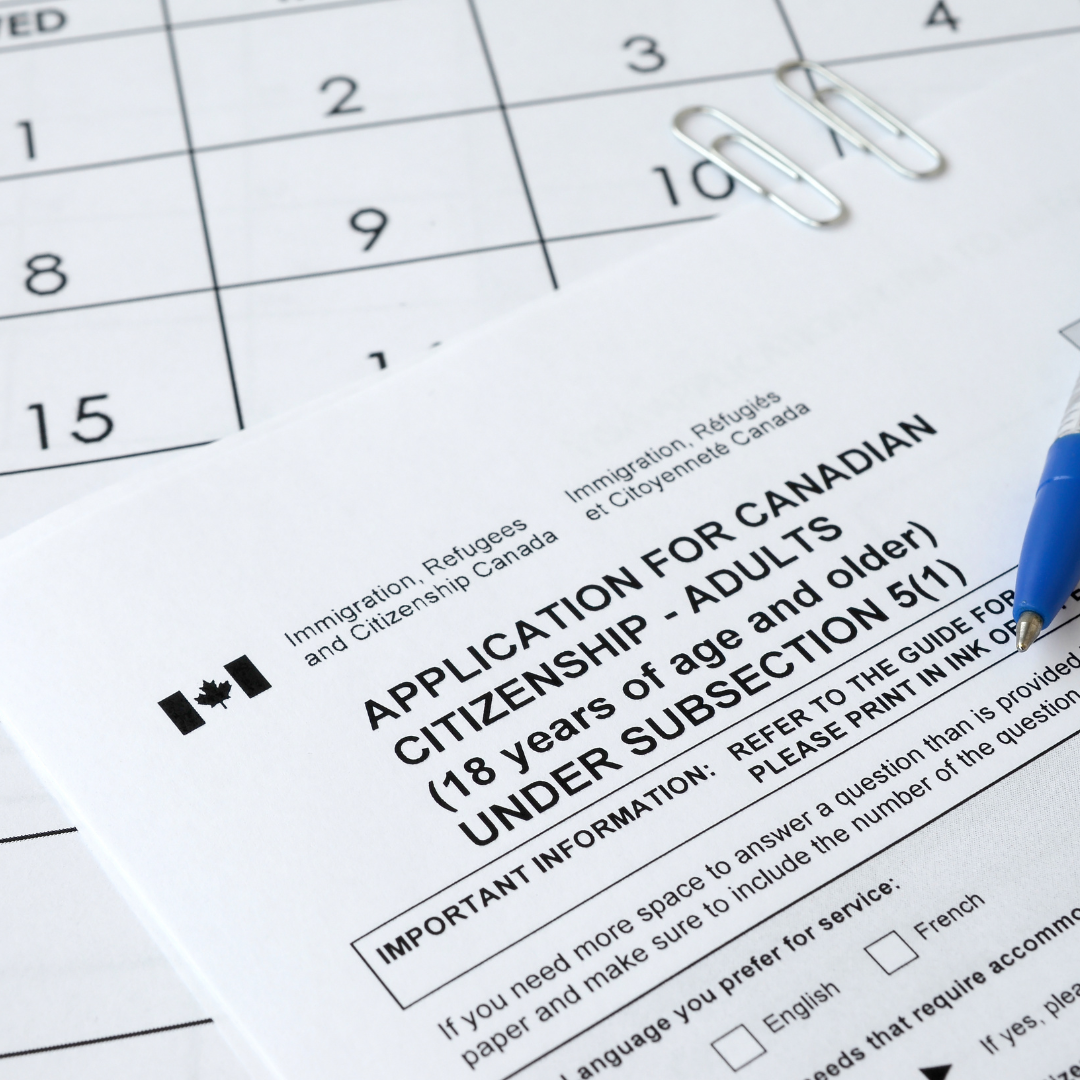
Government benefits & services in Canada for immigrants help newcomers access financial support, settlement programs, and essential resources to build a stable life in their new country.
Assessing government benefits and services can provide valuable support as you settle into your new life in Canada. From social benefits to healthcare services, understanding your eligibility and manoeuvring the tax system are important to ensuring your family’s well-being.
This article will explore how newcomers can access government benefits, understand eligibility requirements for various social benefits, and navigate Canada’s tax system, including filing requirements.
Canada offers many government benefits and services to support residents, including newcomers. These benefits can assist with healthcare, childcare, employment, and financial support.
Exploring Government Benefits & Services in Canada for Immigrants
- Healthcare Services: New immigrants are eligible for provincial health insurance coverage. Most provinces have a waiting period; however, once registered, you and your family can access essential medical services.
- Social Assistance Programs: For financial aid, programs like Ontario Works or Income Assistance in British Columbia offer support and employment services to eligible individuals and families.
- Child Benefits: The Canada Child Benefit (CCB) is a tax-free monthly payment to eligible families with children under 18, aimed at helping with the costs of raising children.
- Employment Services: Newcomers may access services through programs such as Employment Insurance (EI), which provides temporary financial help while looking for work or during unemployment.
Understanding Eligibility for Various Social Benefits
Understanding the eligibility criteria for social benefits is essential for newcomers to access the support they need.
- Canada Child Benefit (CCB): To qualify, you must be a resident of Canada, have a child under 18, and file your taxes. The amount varies based on family income and the number of children.
- Employment Insurance (EI): To be eligible for EI benefits, you must have worked a certain number of insurable hours in the past year, have lost your job through no fault of your own, and actively look for work.
- Social Assistance Programs: Eligibility varies by province, but generally, you must prove financial need and be a provincial resident. You may need documentation regarding your income, assets, and family situation.
- Provincial Health Insurance: Each province has eligibility requirements for health coverage. Typically, you are required to provide proof of residency and immigration status.
Steps To Apply For Benefits:
- Gather the necessary documents, including identification, proof of residency, and financial information.
- Visit the official government website for the specific program you’re interested in to find application forms and guidelines.
- Submit your application online, ensuring all required information is included.
Navigating the Tax System & Filing Requirements
The tax system can be overwhelming for newcomers, but understanding the basics will help you fulfill your obligations and access potential benefits.
Understanding The Tax System
- Tax Year: The tax year in Canada runs from January 1 to December 31. Tax returns are generally due by April 30 of the following year.
- Filing Your Taxes: All residents, including newcomers, must file an annual income tax return if they owe taxes or want a refund, or wish to access government benefits like the CCB.
- Types of Taxes: In Canada, you may encounter various kinds of taxes, including federal and provincial income tax, as well as Goods and Services Tax (GST) or Harmonized Sales Tax (HST) on certain goods and services.
Filling Requirements
- Who Must file: You must file a tax return if you earned income, received certain benefits, or want to access refundable tax credits.
- Gathering Information: Collect all necessary documents, including T4 slips (employment income), T5 slips (investment income), and other income statements. You’ll also need receipts for deductions or credits you plan to claim.
- Choosing A Filing Method: You can file your taxes online using certified software, through a tax professional, or by mailing a paper return. Many newcomers receive help from community tax clinics that offer free aid.
Accessing Resources for Tax Assistance
Many resources are available to help newcomers navigate the tax system and understand their obligations:
- Canada Revenue Agency (CRA): The CRA website provides comprehensive information on tax filing, benefits, credits, and offers resources in multiple languages.
- Community Organizations: Many non-profit groups offer workshops and free tax clinics during tax season. These organizations can help you understand filing requirements and maximize your eligible benefits.
- Tax Professionals: If you find the tax system complicated, consider consulting a tax professional, especially if you have multiple sources of income or specific deductions to claim.
Understanding government benefits and the Canadian tax system is an important factor in helping newcomers achieve financial stability. You can navigate these systems more easily by learning about available benefits, eligibility rules, and filing procedures.
Utilizing resources such as community organizations and the CRA will help you make informed financial decisions and ensure that you and your family receive the support you need as you settle into Canada.
Below are other available settlement resources:
Pre-arrival services – This service can be accessed online; you can start using it before arriving in Canada. This service can be very beneficial for newcomers. It can provide insight into employment, mentorship, and life in Canada.
Help with daily life – Guides understanding of the Canadian culture, and how to understand the housing aspect and the medical care system.
Job search programs – Assist newcomers in finding employment, provide resume assistance, organize networking events, and offer guidance or interview preparation.
Citizenship – Guide to help newcomers prepare for the Canadian Citizenship test.
Mentorship programs – They help you find a mentor or friend to support your transition to Canada. Most mentors are immigrants themselves who have come to build a life for themselves in Canada.
Language services – Provide support to help newcomers improve their English or French language skills.
Targeted services for specific groups – Provide services to the needs of women, refugees, seniors, and whoever else might need this service to help their transition into society.
Check out this article:https://masteringpersonalfinances.com/financial-planning-in-canada/