

Financial records provide a clear snapshot of your overall financial health and support confident decision‑making. Keeping track of your financial papers doesn’t have to be complicated. In fact, having the proper documents in one place can save you time, stress, and even money.
Whether you’re filing taxes, applying for a loan, or sorting out a problem with a bill, organized financial records make everything easier. Below is a clear breakdown of the documents worth keeping and why they matter.
Financial Records You Need To Have
1. Income Documents
These records show how much money you earn and are often required for taxes, loan applications, or government programs.
- Pay stubs
- T4S, T5S, and other tax slips
- Records of freelance or contract income
- Employment letters
Why keep them: They help you prove your income, correct tax mistakes, and track your earnings.
2. Banking and Credit Records
These documents help you understand where your money is going and protect you if something looks off.
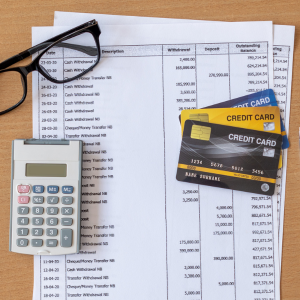
- Bank statements
- Credit card statements
- Loan agreements
- Line of credit documents
Why keep them: They’re useful for budgeting, spotting errors, and showing your financial history.
3. Tax Documents
Tax paperwork is among the most important records to keep.
- Filed tax returns
- Notices of Assessment
- Receipts for deductions or credits
- RRSP contribution slips
Why keep them: They’re often needed for future tax years, government programs, and mortgage applications.
4. Housing and Property Records
Anything related to where you live should be stored safely.
- Lease agreements
- Mortgage documents
- Property tax statements
- Home insurance policies
- Renovation receipts
Why keep them: They help with disputes, insurance claims, and the sale or refinancing of your home.
5. Vehicle Documents
If you own a car, keep all related paperwork together.
- Ownership papers
- Insurance documents
- Maintenance and repair receipts
- Loan or lease agreements
Why keep them: They’re important for resale value, insurance claims, and proving ownership.
6. Insurance Policies
These documents protect you when something goes wrong.
- Life insurance
- Health and dental insurance
- Home or tenant insurance
- Car insurance
Why keep them: You’ll need them when filing claims or updating your coverage.
7. Investment and Retirement Records
These documents show the growth of your savings and help you plan for the future.
- RRSP, TFSA, RESP statements
- Investment account summaries
- Pension information
Why keep them: They help you track your progress and prepare for retirement.
How Long Should You Keep These Documents?
A simple rule of thumb:
- Tax documents: At least 6–7 years
- Property and vehicle records: As long as you own them
- Insurance policies: As long as the policy is active
- Bank and credit statements: 1–3 years
- Investment records: Keep annual summaries long‑term
Tips for Staying Organized
- Use one folder (physical or digital) for each category
- Keep digital backups of important papers
- Review your files once a year and remove what you no longer need
Maintaining accurate financial records is essential for managing your finances, especially for tax purposes. Organized records save you significant time and stress. When tax season arrives, they clearly show your income, expenses, and potential deductions.
Start with a systematic approach. Keep receipts, invoices, bank statements, and financial correspondence in an orderly manner. Label and categorize documents by type and date to make retrieval easy when referencing a specific transaction.
Creating Folders for Keeping Financial Records
Label folders for items that apply to your financial situation and arrange them alphabetically. Collect all your information and add it to each folder. Make notes on the folder cover if needed. This system ensures you have important information at your fingertips when needed.
Your income statements are important, but so are records of any additional income you may have received throughout the year, such as rental income, dividends, or proceeds from sales. These receipts justify business expenses, healthcare costs, charitable donations, and other tax‑deductible expenditures.
For self‑employed individuals or small business owners, tracking all business‑related expenses is essential because it can significantly affect taxable income.
Another key element is the longevity of your record‑keeping. The general rule is to keep tax records for at least seven years, as audits can occur several years after filing. However, documents related to real estate or investments should be kept longer.
Having all your financial records in order makes it easier to apply for loans and helps you stay on track with your finances.
Check out this article for more guidance: Tax Planning Made Easy