
New immigrants to Canada often encounter several financial challenges as they adjust to their new environment. It’s important to remember that you are not alone in facing these obstacles. Many have successfully managed these challenges before you, and with the proper knowledge and support, you can too.
In this article, I clarify common economic challenges and offer tips to help new immigrants build a secure and prosperous future in their new country.
Common Financial Challenges New Immigrants Face
- Limited access to credit history and financial services.
- Difficulty finding employment that matches their skills and qualifications.
- Higher living costs in urban areas.
- Managing the different styles of the Canadian banking and financial systems.
Dealing With Periods of Low Income
Periods of low income can be particularly stressful for newcomers, especially if they have recently arrived and are still seeking stable employment,
Strategies To Manage Low Income:
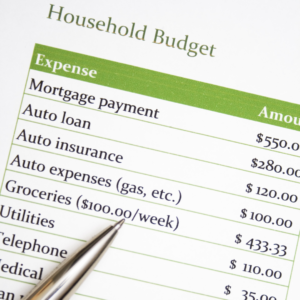
- Create a Budget: Track income and expenses to identify essential costs and savings opportunities. Use budgeting tools and apps to simplify the process.
- Emergency Fund: Prioritize building an emergency fund to cover unexpected expenses. Aim to save at least three to six months of living expenses.
- Seek Temporary Work: While searching for full-time employment, consider part-time or temporary roles to gain experience and build your resume. These can provide immediate income and help build Canadian work experience.
- Access Community Resources: Many community organizations offer financial assistance, food banks, and employment services to help newcomers during challenging times.
Avoiding Financial Fraud and Scams Targeting Newcomers
Unfortunately, newcomers can be prime targets for financial fraud and scams. Awareness and vigilance are essential to protect yourself and your finances.
Common Scams Targeting Newcomers:
- Fake Job Offers: Scammers may pose as employers and ask for personal information or payment for job placement services.
- Identity Theft: Fraudsters may attempt to steal personal information through phishing emails or fake websites.
- Investment Scams: Be wary of promises of high investment returns with little risk.
Tips to Avoid Scams:
- Research Employers: Always verify the legitimacy of potential employers. Check online reviews and contact their official channels for confirmation.
- Protect Personal Information: Never share sensitive information, such as your Social Security Number or bank details, without verifying the legitimacy of the request.
- Report Suspicious Activity: If you encounter a scam, report it to local authorities or the Canadian Anti-Fraud Centre to help prevent others from falling victim.
Accessing Financial Literacy Resources and Support
Financial literacy is crucial for newcomers to make informed decisions about managing their finances. Accessing educational resources can empower immigrants to improve their economic well-being.
Resources for Financial Literacy:
- Community Organizations: Many non-profit organizations offer financial literacy programs specifically for newcomers. These programs often cover topics such as budgeting, credit management, and saving for the future.
- Online Resources: Websites such as the Financial Consumer Agency of Canada and the Government of Canada offer valuable information on financial literacy, budgeting, and banking.
- Workshops and Seminars: Look for local financial education workshops offered by banks, credit unions, and community centers.
Building a Support Network
Establishing a support network is crucial for newcomers who face financial challenges. Connecting with others can provide valuable insights, resources, and encouragement.
Ways to Build a Support Network:
- Join Community Groups: Participate in local immigrant support groups or cultural associations. These organizations often provide resources and connections to others facing similar challenges.
- Networking Events: Attend community events and job fairs to connect with professionals and potential mentors in your field.
- Online Forums: Use social media and online forums to connect with newcomers and share experiences, advice, and resources.
Developing a Budget and Financial Plan
Creating a detailed budget and financial plan is essential for managing finances effectively.
Steps to Create a Budget:
- List Income Sources: Include all income sources, such as salaries, benefits, and other additional income.
- Track Expenses: Categorize and track monthly expenses, including housing, groceries, transportation, and entertainment.
- Set Financial Goals: Determine short-term and long-term financial goals, such as saving for education, retirement, or a home.
- Review and Adjust: Regularly review your budget and make adjustments as needed to ensure you achieve your financial goals.
By understanding common obstacles and knowing how to address them, you will be better equipped to face these challenges and establish a solid financial future.
Check out this article: https://masteringpersonalfinances.com/financial-planning-in-canada/