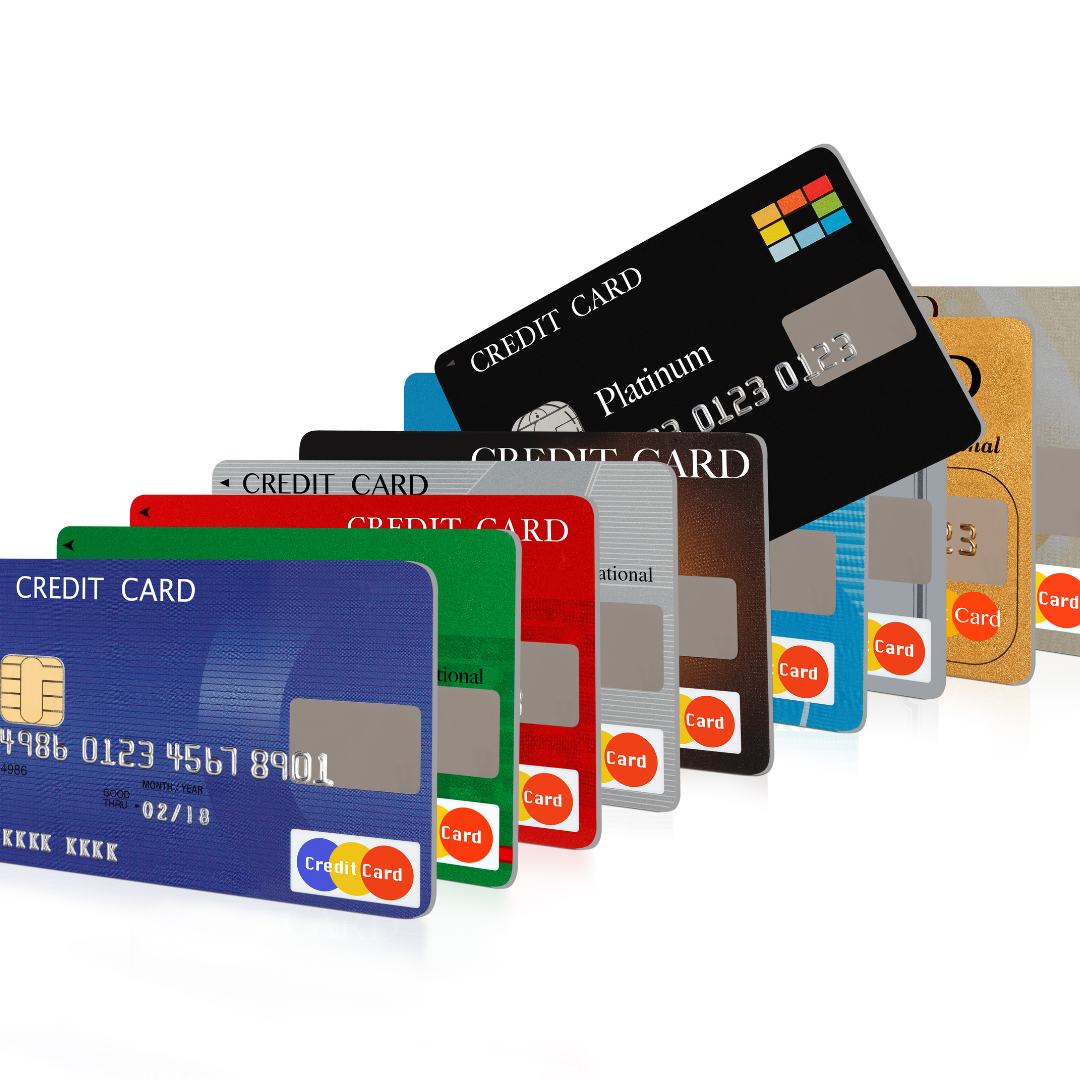
The best first credit card for beginners is simple, low‑risk, and easy to manage, so you can build credit safely without feeling overwhelmed.
For a Beginner: What Is the Best First Credit Card to Have and How Do You Use It?
If you’re new to credit, choosing your first card can feel confusing — but it doesn’t have to be. The best first credit card for beginners helps you build credit slowly, avoid debt, and learn healthy money habits without pressure.
This guide explains what type of card to start with, how to use it responsibly, and the exact steps to build a strong credit score from day one.
1. What Is the Best First Credit Card for Beginners?
For most beginners, the best first credit card is one that is:
• Easy to qualify for
• Low or no annual fee
• Has a low credit limit
• Reports to both credit bureaus
•Simple to use with no complicated rewards
Beginners don’t need fancy perks — they need a card that helps them build credit safely.
Two beginner‑friendly types of cards:
•A basic no‑fee credit card
•A secured credit card (if you’re rebuilding or have no credit history)
Both options help you build credit as long as you use them responsibly.
2. How to Use Your First Credit Card the Right Way
Getting a card is easy — using it wisely is what builds your credit.
Here’s the beginner‑friendly method that works every time.
A. Use your card for ONE small recurring purchase
Choose something predictable like:
Netflix
Spotify
Your phone bill
A monthly subscription
This keeps your usage low and consistent.
B. Pay the balance in full every month
This is the most important rule.
Why it matters:
•You avoid interest
•You build a perfect payment history.
•You protect your credit score.
Even one late payment can hurt your score, so set up automatic payments.
C. Keep your credit utilization under 30%
Credit utilization = how much of your limit you use.
Example:
If your limit is $1,000:
Stay under $300 for the best results. Lower utilization = higher credit score.
D. Avoid cash advances and carrying a balance
These are expensive and unnecessary for beginners.
Stick to simple purchases you can pay off right away.
3. How Your First Credit Card Builds Your Credit Score
Your first card helps you build credit in three major ways:
1. Payment history (35%)
Paying on time boosts your score quickly.
2. Credit utilization (30%)
Keeping your balance low shows responsible use.
3. Length of credit history (15%)
The longer you keep your first card open, the better.
This is why the best first credit card for beginners is one you can keep for years.
4. Common Mistakes Beginners Should Avoid
• Using the card for big purchases
• Carrying a balance “to build credit” (myth!)
• Missing payments
•Maxing out the card
•Applying for too many cards at once
Avoid these, and your credit score will grow steadily.
5. How Long Does It Take to See Results?
Most beginners see improvements in 60–90 days and strong credit within a year.
Using the best first credit card for beginners consistently and responsibly is the fastest way to build a solid financial foundation.
6. Best First Credit Cards for Beginners (Examples + Why They’re Good)
Choosing the best first credit card for beginners depends on your credit history, income, and comfort level. Here are beginner‑friendly options most people qualify for:
1. A basic no‑fee credit card
These cards are simple and predictable. No annual fee means you can keep the card long‑term, which helps your credit history grow.
Why it’s good for beginners:
• No cost to keep the card
• Easy approval
• Helps build credit slowly
• No complicated rewards or rules
2. A secured credit card
If you have no credit or low credit, a secured card is often the best first credit card for beginners. You provide a security deposit, and that becomes your credit limit.
Why it’s good for beginners:
• Very easy to qualify for
• Helps you build credit from scratch
• Works exactly like a normal card
• Can be upgraded to unsecured later
3. A student credit card
If you’re a student, these cards are designed for first‑time users.
Why it’s good for beginners:
• Low credit limits
• No annual fees
• Easy approval
• Basic rewards
4. A retail store credit card (only if used carefully)
These cards are easy to get but often have high interest rates. Use them only for small purchases and pay them off immediately.
Why it’s good for beginners:
• Easy approval
• Helps build credit
• Can be used for small recurring purchases
Important:
Avoid cards with high annual fees, complicated reward systems, or high interest rates. Your first card should be simple and safe.
7. Should You Choose a Secured or Unsecured Card First?
The best first credit card for beginners depends on your credit situation.
Choose a secured card if:
• You have no credit history
• You have low credit
• You’ve been denied for unsecured cards
• You want guaranteed approval
Secured cards are predictable and safe. They help you build credit quickly when you use them responsibly.
Choose an unsecured card if:
• You have stable income
• You have some credit history
• You want a card with no deposit
• You want a card you can keep long‑term
Both types help you build credit. The key is choosing the one you can manage comfortably.
8. How to Apply for Your First Credit Card (Step‑by‑Step)
Applying for your first credit card is simple when you follow a clear process.
Step 1: Check your credit score
Even beginners should know where they’re starting. This helps you choose the right card.
Step 2: Compare beginner‑friendly cards
Look for:
• No annual fee
• Low interest rate
• Easy approval
• Reports to both credit bureaus
Step 3: Gather your information
You’ll need:
• Your income
• Your employment status
• Your address
• Your identification
Step 4: Apply online
Most banks approve beginner cards within minutes.
Step 5: Wait for your card to arrive
Once approved, your card usually arrives within 7–10 business days.
Step 6: Activate your card
Follow the instructions on the sticker or inside the envelope.
Step 7: Set up automatic payments
This protects your credit score from day one.
9. What to Do After You Get Your First Card (Beginner Checklist)
Here’s a simple checklist to follow once your card arrives:
• Add one small recurring purchase
• Set up automatic payments
• Keep your balance under 30%
• Check your statement monthly
• Avoid cash advances
• Avoid carrying a balance
• Avoid applying for more cards
• Keep the card open long‑term
Following this checklist helps ensure your first credit card builds credit safely.
Final Takeaway:
Your First Credit Card Should Be Simple, Safe, and Easy to Manage
The best first credit card for beginners should help you build trust with the credit system. Start small, use it wisely, and pay it off every month.
That’s how you build a strong credit score and open the door to better rates, better cards, and better financial opportunities.