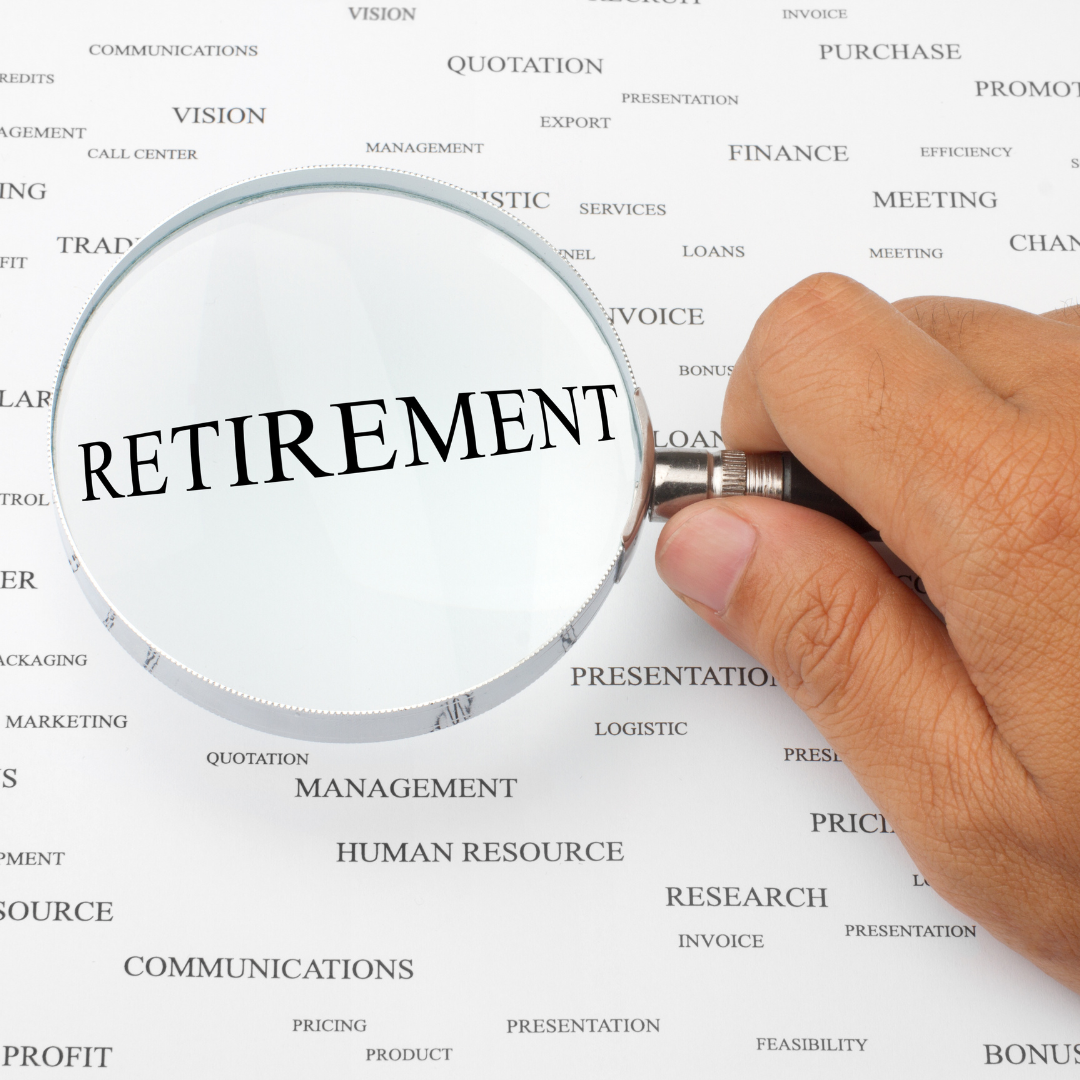
Retirement in Canada’s Income Retirement System plays a crucial role in helping Canadians build long‑term financial security.
If retirement is a long way off or around the corner. Either way, planning is the key to making those golden years truly valuable. So a little planning today can make all the difference tomorrow.
Here’s your detailed, easy-to-follow blueprint for planning a secure retirement in Canada. This guide breaks down what you need to know, when to act, and how to optimize your income streams to enjoy a worry-free retirement.
Before you plan, take a moment to imagine your retirement life. Do you want to travel, start new hobbies, or downsize your home? Defining what you want helps you determine how much money you’ll need.
Canada’s retirement system is designed to help every resident build security for later in life. The Canada Pension Plan (CPP) or the Quebec Pension Plan for those in Quebec) pays you back based on what you’ve contributed during your working years.
Then there’s Old Age Security (OAS), which starts at 65 and provides a steady monthly payment to almost every retiree.
For those with lower incomes, the Guaranteed Income Supplement (GIS) adds an extra layer of support.
Though these programs can create a safety net, you’ll want to build your own savings on top of the government benefits to maintain your desired lifestyle.
Understanding your sources of retirement income is important for financial security. Start picturing the life you want later so your savings plan fits your future dreams.
Your retirement income typically comes from a combination of government benefits, savings, and a workplace pension.
Here’s the usual lineup:
- Canada Pension Plan (CPP): Your monthly benefit depends on how much and how long you contributed. You can start collecting as early as age 60 or delay until age 70 to increase monthly payments.
- Old Age Security (OAS): A universal monthly benefit for those 65 and older, with options to defer (up to age 70) to receive higher payments. Please note that OAS payments are clawed back if your income exceeds a certain threshold.
- Registered Retirement Savings Plan (RRSP): Contributions to this tax-deferred account reduce your taxable income today, but you pay tax when you withdraw.
- Tax-Free Savings Account (TFSA): Allow your money to grow tax-free, even when you take the money out.
- Employer Pension Plans: Define benefit (promises a fixed payout) or define contribution (depends on investment returns) pensions supplement your income.
- Other sources include investments, rental income, part-time work, or other forms of savings.
CPP & OAS
Taking CPP and OAS earlier means lower monthly benefits; delaying them means higher benefits. For example, if you delay CPP from age 65 to 70, your monthly payments go up by about 42%. For OAS, delaying can increase your payments by 0.6% for each month you wait, for up to three years.
Use the Government of Canada’s calculators to estimate your CPP and OAS benefits, helping you decide the best time to start collecting based on your health, work plans, and finances.
Here’s the latest on CPP and OAS amounts in Canada as of 2026. CPP maximum monthly payments at age 65 are $1,507.65, and OAS maximum monthly payments are about $759 (ages 65–74) and $835 (75+).
Master Your Registered Savings Accounts (RRSP & TFSA)
Make the most of RRSP and TFSA accounts. They’re powerful tools to grow your retirement savings.
- RRSP: You can contribute up to 18% of your previous year’s income, capped annually (e.g., $33,810 for 2026). Your money grows tax-deferred until withdrawn.
- TFSA: Contribution room accumulates every year (e.g., $7,000 for 2026), and withdrawals are tax-free and flexible.
Spousal RRSPs
If one spouse earns significantly more, contributing to a spousal RRSP helps split income between the spouses at retirement, reducing the overall tax bill.
Contribute early in the year to your RRSP and TFSA so your investments have more time to grow tax-free or tax-deferred, maximizing your savings potential.
Invest Smartly Throughout The Years
- Early Years: Focus on growth investments, such as stocks or mutual funds, to build your nest egg.
- Mid Years: Begin balancing growth and stability by adding bonds or dividend-paying stocks.
- Pre-Retirement & Retirement: Shift towards more conservative investments to protect your savings while maintaining some growth to keep pace with inflation.
Tip: Regularly review your investment mix to ensure it aligns with your risk tolerance and time to retirement. This ongoing management can help you feel more secure about your financial future.
Plan For Taxes In Retirement
Understanding the tax consequences of your income sources helps you keep more of your money.
- Withdrawals from RRSPs and pensions are taxable.
- TFSA withdrawals are tax-free. Use this account strategically in retirement to minimize tax liability.
- Remember the OAS claw back: If your net income exceeds roughly $90,997 (2025), your OAS payments are reduced by 15% for every dollar over the threshold.
Tip: Work with a financial advisor or tax professional to design tax-efficient withdrawal strategies and minimize taxes throughout retirement.
Set Clear Savings Goals
A good rule of thumb is to aim to replace 60-80% of your pre-retirement income annually to maintain your lifestyle.
Break this challenge down:
- Calculate estimated yearly expenses in retirement.
- Set monthly or annual savings goals based on that target.
- Automate contributions to your RRSP and TFSA to stay consistent without having to think about it.
Tip: Even a small, steady increase in your contributions can make a big difference over time.
Prepare For Healthcare & Unexpected Costs
While basic healthcare is covered in Canada, not everything is.
- Prescription drugs, dental care, vision care, and long-term care may require additional coverage.
- Consider private insurance or health spending accounts if your employer offers them.
Tip: Build an emergency fund separately from your retirement savings to cover unexpected expenses.
Manage Debt & Estate Planning
- Entering retirement debt-free puts you in a much stronger position. Prioritize paying off high-interest debts well before you retire.
- Also, having a legally updated will and an estate plan gives your loved ones peace of mind and clarity.
Tip: Speak to a legal professional about power of attorney and healthcare directives for comprehensive planning.
Real-Life Example
- Take Lisa and David, a couple in their 50s:
- They picture retiring at 67 in a small home near family.
- They estimate needing $60,000 a year.
- They contribute the max to RRSPs and TFSAs, with Lisa focusing on growth funds and David gradually shifting to bonds.
- They plan to delay CPP until age 70 and OAS until 67, maximizing benefits.
- They review debts annually to ensure nothing will carry into retirement.
- They have a health emergency fund and updated wills.
This plan gives them confidence and a clear roadmap toward their retirement dreams.
Seek Professional Help
If retirement planning feels complicated, or if your financial picture includes multiple sources, properties, or complex tax situations, a Canadian-licensed financial advisor can tailor a plan just for you and make your money last.
They can help optimize CPP/OAS timing, withdrawal, and investment strategies.
By considering your lifestyle, understanding Canadian programs, mastering saving, investing wisely, and preparing for taxes, you can build a comfortable, lasting retirement.
Check out this article: https://masteringpersonalfinances.com/dont-retire-until-5-expenses-paid/