
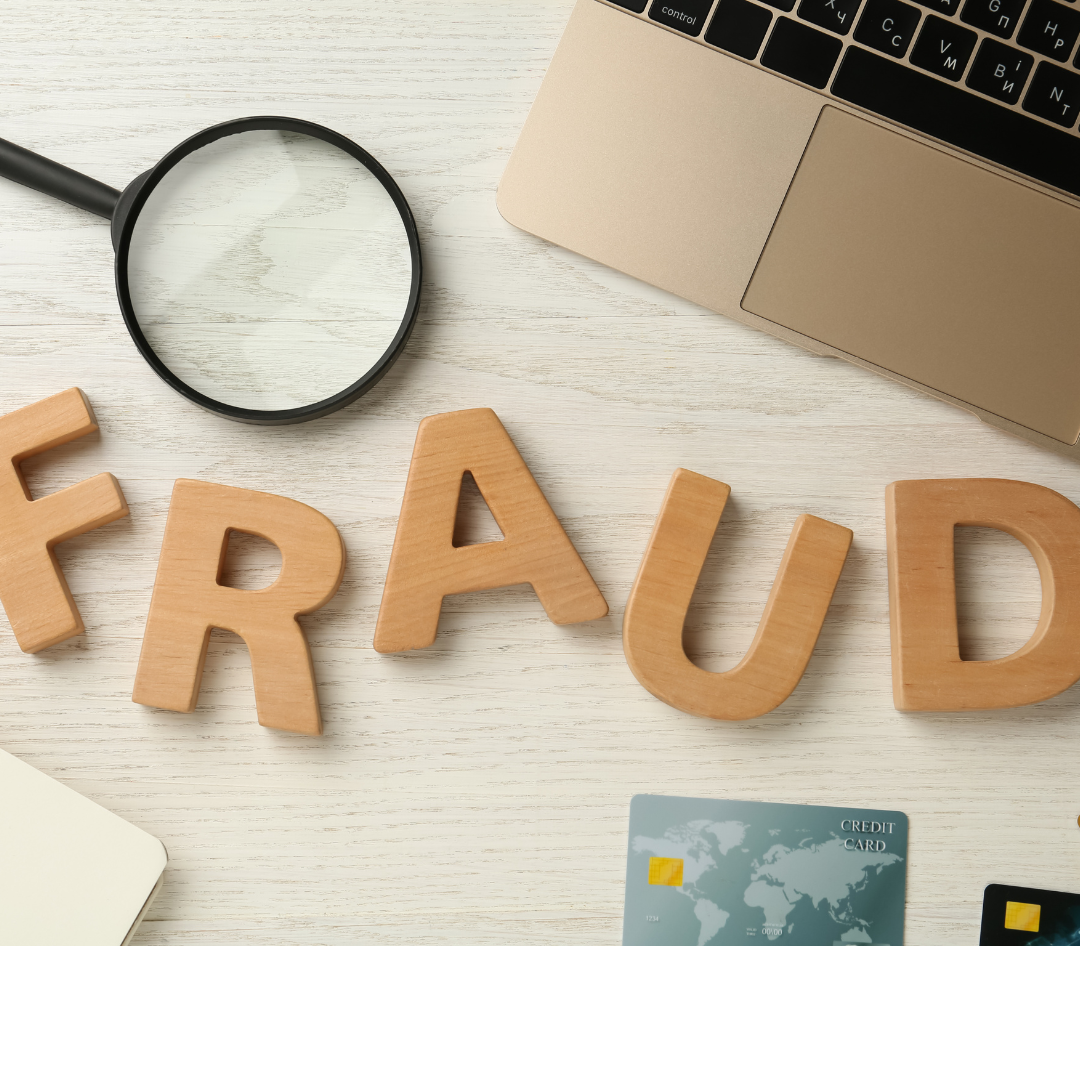
Financial fraud takes many forms, and we must all be aware of them. While it’s common, we need to know what to look out for to reduce the risk of it happening to us.
A typical example of financial fraud is credit card fraud, in which an individual uses another person’s credit card information to make unauthorized purchases.
Another is investment fraud, which can include Ponzi schemes, where returns are paid to earlier investors using the capital of newer investors rather than from profits earned.
Then you have the online hackers trying to find ways to obtain your funds. It is why we must remain vigilant and stay informed.
The impact of financial fraud can be devastating. The Federal Trade Commission reported that consumers lost over $5.8 billion to fraud, a significant increase from the previous year.
This shows that financial fraud is widespread and on the rise.
Financial Fraud: Are You At Risk
Don’t trust unsolicited calls, and verify the caller’s identity before providing any information. If you receive a call from someone claiming to be from your bank, be cautious, take down their name, and hang up.
Verify the legitimacy of the call by using the bank’s established and verified phone number, such as the one on the back of your debit card, and ideally, call from a different phone line.
Your phone says the call is coming from your bank. That must mean it’s legit, right? Unfortunately, this is not always the case.
Scammers often use call spoofing tech so that your call display shows the name of a company or financial institution to make you believe they’re authentic.
Be cautious, and don’t assume the call comes from a safe source.
Who Do I Share My Information With?
Your bank will ask basic questions to verify your identity and ensure you are speaking with the correct person.
They will never contact you and ask you to disclose your sensitive information. It’s essential to exercise caution when sharing personal information, such as your date of birth, address, and email address.
Do not share account numbers, passwords, or PINs under any circumstances. If you feel uncomfortable with the call, such as being asked questions that only you should know the answer to, hang up.
Fraud Prevention Techniques
Be aware of what’s expected of you as an account or cardholder. Your bank provides this information.
Also, review the security settings for your email provider, social media platforms, banking apps, and other communication channels.
Then, enable two-factor authentication if it’s available. It adds an extra layer of security to your account by incorporating factors beyond your username and password, making it more difficult for hackers to access it.
While staying alert is important, fraud still occurs. If you get caught up in a scam, remember it’s nothing to be ashamed of.
Just follow these steps:
- Report it: Contact your bank to report the fraud. Next, contact the credit bureaus and request that they remove your credit card information. Information: Call the authorities if needed.
- Monitor your accounts regularly for any unauthorized transactions.
- Use strong, unique passwords for all financial accounts and change them regularly.
- Be wary of unsolicited offers or requests for personal information.
- Shred sensitive documents before disposing of them.
Signs to look out for include:
- Unexplained withdrawals from your bank accounts.
- Missing bills or other mail.
- Receiving credit cards that you did not apply for.
- Denials of credit for no apparent reason.
To help protect against financial fraud, consider using services like fraud alerts and credit monitoring.
These can provide an additional layer of security by alerting you to potential fraud and enabling you to act quickly.
Remember, the key to combating financial fraud is awareness and proactive measures.
By staying informed and cautious, you can significantly reduce the risk of falling victim to these crimes.
Actions to Take
- Stay Informed: Regularly update yourself on the latest fraud schemes and tactics. Knowledge is power when it comes to prevention.
In a world where fraudsters constantly innovate, staying a step ahead can be your best defence.
Subscribing to updates from regulatory bodies or anti-fraud organizations can provide timely information on emerging threats and fraud.
- Secure Personal Information: Always be cautious when sharing personal and financial information. Use strong, unique passwords for online accounts.
Identity theft often begins with unauthorized access to personal data. Ensuring your details are not easily accessible and your online accounts are protected with strong passwords minimizes the risk of fraud.
- Verify Requests: Before transferring money or sharing sensitive data, verify the legitimacy of requests, especially those that seem urgent or threaten consequences.
Scammers often create a sense of urgency to bypass logical reasoning. Always verify information with trusted contacts or organizations through established channels before taking action on suspicious requests.
- Regularly Monitor Accounts: Check your bank and credit card accounts for unauthorized transactions. Swift detection can limit the damage.
Early detection of suspicious transactions can help prevent unauthorized activity and recover funds.
- Use Reliable Platforms: If seeking legal advice or representation for financial fraud, consider legal services marketplaces that connect users with experienced professionals.
Leveraging verified platforms ensures you receive advice from credentialed experts, reducing the risk of misinformation or exploitation.
- Educate Friends and Family: Share your knowledge about potential scams and preventive measures with close ones.
Protecting yourself also means protecting your community. By informing those around you, you reduce the likelihood that they will become victims and, in turn, indirectly safeguard yourself.
- Install Security Software: Keep your devices up to date with antivirus and anti-malware software to protect against malware.
These tools act as an additional defence against malicious software or links that fraudsters may use to gain unauthorized access.
- Avoid Public Wi-Fi for Transactions: Do not access bank accounts or make transactions while connected to public Wi-Fi.
Public networks are less secure and can be easily exploited by cybercriminals to intercept data.
- ·Participate in Fraud Awareness Workshops: Many banks and community centres offer workshops or webinars on fraud prevention.
Active participation can provide hands-on experience and equip you with tools and techniques to recognize and prevent potential threats.
- Regularly Review Your Credit Reports: Obtain and review your credit reports periodically to ensure there are no unauthorized accounts or activities.
- It can help identify early signs of identity theft or unauthorized use of your financial credentials.
If you enjoyed this article, you may like: 20 Financial Habits that will make you Wealthy