
Financial confidence empowers you to make choices that align with your goals.
Financial confidence isn’t about knowing every technical detail of your finances. It’s about trusting yourself to make decisions that align with your goals and values.
Building confidence starts with awareness. Understanding where your money comes from, where it goes, and how it can grow.
Even small steps, such as tracking expenses or setting aside a consistent savings amount, lay a foundation for empowerment.
Confidence also grows when you shift your mindset from fear to opportunity. Instead of dwelling on mistakes, view each financial decision as a learning experience.
Whether it’s negotiating a salary, opening an investment account, or paying down debt, every action strengthens your sense of control.
Surrounding yourself with resources, books, podcasts, and communities of women who share their financial journeys can reinforce that you’re not alone in this process.
Finally, financial confidence is deeply personal. It’s not about comparing yourself to others or hitting arbitrary milestones; it’s about defining what economic freedom looks like for you.
Maybe it’s having an emergency fund that lets you sleep peacefully at night, or building wealth to support your children’s future.
By setting clear, achievable goals and celebrating progress along the way, you create a cycle of confidence that fuels even bigger steps.
Financial confidence isn’t something you’re born with; it’s something you build, one financial choice at a time.
Money can feel overwhelming, especially when life throws a lot at you. Many women struggle to manage their finances, not because they’re bad with money, but because no one ever taught them how to handle it confidently.
Between working, raising families, and caring for others, women often put their financial needs last.
But here’s the truth: You can take control of your money and create a stronger financial future. You don’t need a finance degree. You need a plan, a few smart habits, consistency, and confidence.
Start With Awareness
The first step to financial confidence is knowing where your money goes.
Here’s how to start:
- Write down your income and every expense for one month.
- Use a notebook, spreadsheet, or a free app like Mint or EveryDollar.
- Don’t judge yourself; this step is about awareness, not guilt.
Once you understand where your money is going, you’ll begin to notice areas where small, yet impactful, changes are possible.
Create A Realistic Budget
Create a budget. I don’t want to hear talk about how budgets can be restrictive. I’m here to tell you that it’s not true. A budget will show you where your money is going.
Simple steps:
- List your monthly income.
- Subtract your fixed expenses, such as rent, utilities, and groceries.
- Set aside money for savings and debt payments.
- Leave room for small perks, coffee, movie night, or a new book
Tip: Use the 50/30/20 rule:
- 50% needs
- 30% wants
- 20% savings & debt repayment.
Build A Small Emergency Fund
Start with $500 to $1,000. Keep it separate from your main account. It’s a fund that provides some breathing room if something unexpected arises, such as a car repair or a medical bill.
After you’ve established that habit, aim for three to six months of expenses.
Pay Down Debt Strategically
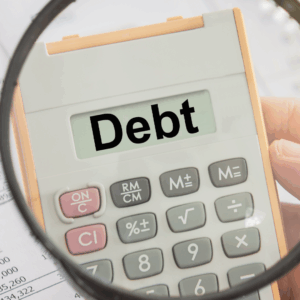
Debt can feel like a heavy burden. But you can clear it, step by step.
Here’s what works:
- List all your debts, from smallest to largest.
- Pay minimum payments on all but attack the smallest one first.
- Once it’s gone, move to the next one.
It is called the snowball method, and it builds motivation quickly, leaving you in good spirits.
Start Saving For The Future
Once you’ve taken control of your spending and debt, begin planning for the future. If you’re in Canada, explore a TFSA (Tax-Free Savings Account) or an RRSP (Registered Retirement Savings Plan).
In the U.S., think about Roth IRAs or 401(k) plans.
Even small, consistent contributions make a big difference over time.
Build Financial Confidence
Confidence builds when you take action. Begin learning, discussing, and positively thinking about money.
- Read one financial article a week.
- Follow credible money educators online.
- Talking about money with friends helps break the taboo.
- Celebrate every win, no matter how small.
Financial confidence doesn’t come overnight. It’s built through small, steady steps.
Create More Income Opportunities
If your paycheck isn’t stretching far enough, consider side income streams:
- Freelancing (writing, editing, design, tutoring)
- Selling digital products or eBooks
- Affiliate marketing (sharing products you use and love)
- Starting a small online business
Protect Yourself
Independence means security.
- Keep your own bank account, even if you share finances.
- Learn about credit scores and how to keep a good one.
- Consider life or disability insurance if you have dependents.
Empowerment Mindset
Taking control of your money is about making progress. You’ll make mistakes, and that’s okay. Each mistake offers a lesson.
Financial independence gives you choices and the freedom to live the life on your own terms.
So, get started today. Track your spending, set a budget, and open a savings account. Follow this system and see your progress.
Check out this article: https://masteringpersonalfinances.com/financial-mistakes-5-solutions/