
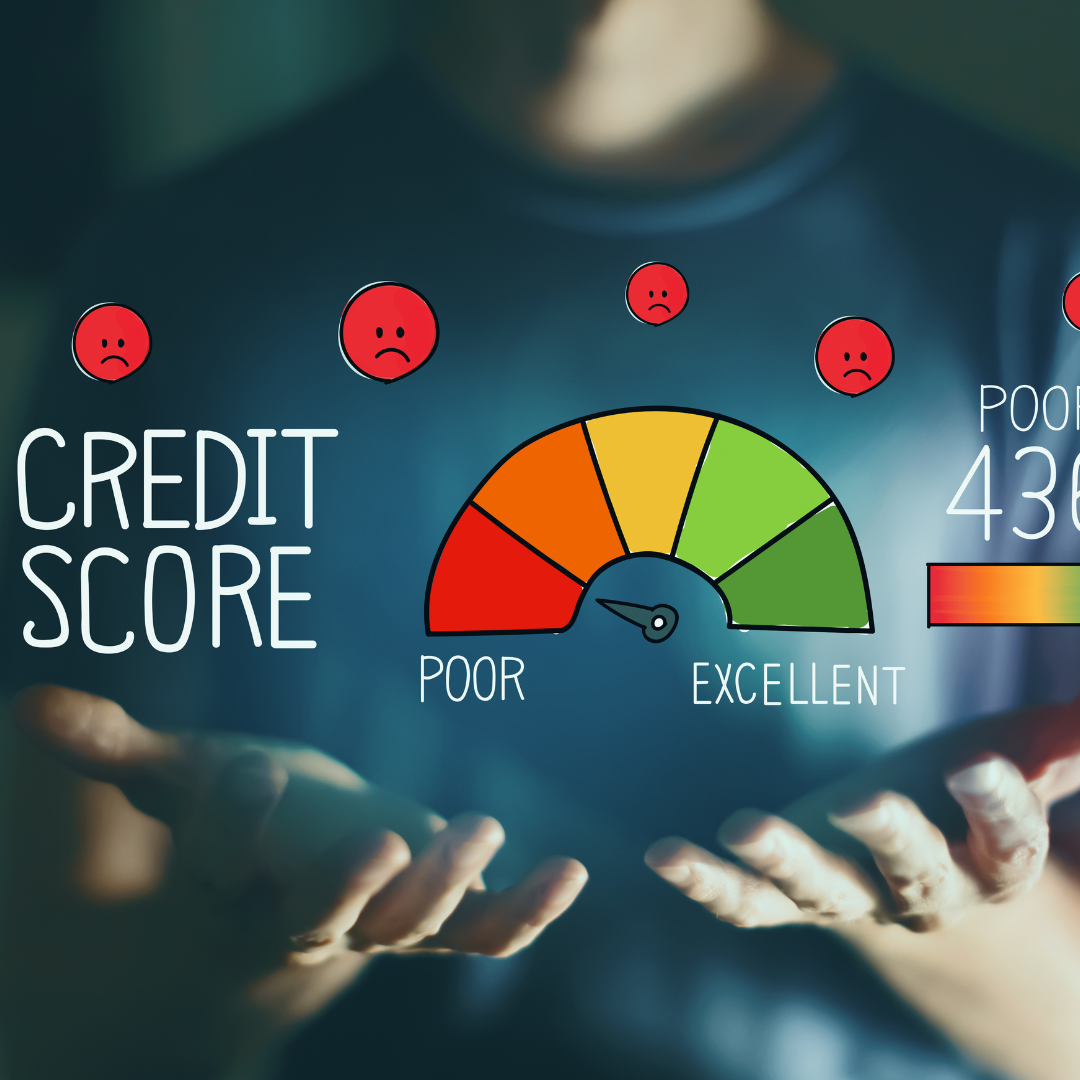
How to improve your credit score in 30 days starts with small, strategic actions that quickly strengthen your payment history, lower your balances, and boost your score within one reporting cycle.
Many Canadians want to know how to improve their credit score in 30 days, and the good news is that you can see a noticeable increase in that time.
By implementing these strategies, you can significantly boost your creditworthiness.
You won’t jump 200 points overnight, but you can make meaningful progress quickly by focusing on the factors that most affect your score.
Your credit score is based on:
• Payment history
• Credit utilization
• Credit mix
• Length of credit history
• New credit inquiries
The fastest improvements come from fixing the first two. To get started, here’s exactly how.
How To Improve Your Credit Score In 30 Days
Pay Down Your Credit Card Balances (The Fastest Boost)
Your credit utilization — how much of your available credit you’re using — makes up 30% of your score.
To improve your score in 30 days, bring each credit card below 30% of its limit.
If you’re wondering how to improve your credit score in 30 days, begin by managing your credit card balances effectively.
For the biggest boost, aim for 10% or less.
Even paying down one card can help.
Example:
If your limit is $2,000, keep your balance under $600.
If you’re at $1,500, paying it down to $500 can raise your score within weeks.
Make All Payments on Time (Even the Minimum)
Understanding how to improve your credit score in 30 days is crucial for your financial health.
• Payment history is 35% of your score — the biggest factor.
• To improve your score quickly, pay all your bills on time this month.
• Set up automatic payments.
• If you’re behind, catch up immediately.
A single late payment can drop your score by 60–100 points, but consistent on‑time payments help it recover.
Ask for a Credit Limit Increase (Without Increasing Your Spending)
This is one of the easiest ways to improve your credit score in 30 days.
Why it works:
A higher limit lowers your credit utilization instantly — even if your balance stays the same.
Example:
Limit: $2,000
Balance: $1,000
Utilization: 50%
If your limit increases to $4,000:
Utilization drops to 25%
Your score can rise within the next reporting cycle.
 Pay Your Credit Card Before the Statement Date
• Most people pay on the due date, but the credit bureaus see your balance on the statement date.
• To boost your score fast, pay down your balance before the statement closes.
This reduces the balance reported.
Your score can improve within 30 days.
This trick works even if you can’t pay the full amount.
Dispute Errors on Your Credit Report
Errors happen more often than people think — and fixing them can raise your score quickly.
Common errors include:
• Incorrect balances
• Accounts that aren’t yours
• Payments marked late by mistake
• Old debts that should be removed
Where to check your report in Canada:
• Equifax Canada
• TransUnion Canada
If you find an error, dispute it immediately. If it is corrected, your score can jump within 30 days.
Become an Authorized User (Fastest Shortcut)
If someone you trust has:
• A long credit history
• A low balance
• A perfect payment record
Ask to be added as an authorized user.
Why this works:
Their positive history is added to your report and can quickly boost your score.
You don’t need to use the card; you just benefit from their good credit habits.
Avoid Applying for New Credit This Month
Every hard inquiry can drop your score by 5–10 points.
• Avoid new credit card applications.
• Avoid car loan applications.
• Avoid store financing offers.
Let your score rise without interruptions.
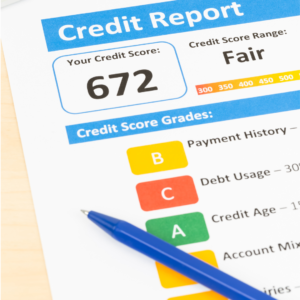 Pay Off Small Balances on Multiple Cards
If you have several cards with small balances, pay them off completely.
Why it helps:
• Having multiple cards with balances can lower your score, even if the amounts are small.
• Paying them off improves your utilization and keeps your finances simpler.
Use Your Credit Card for One Small Purchase and Pay It Off
• If you haven’t used your card in a while, the lender may not report activity.
• To improve your score, make one small purchase.
• Pay it off immediately.
This shows active, responsible credit use.
Is It Really Possible to Improve Your Credit Score in 30 Days?
Yes — if you focus on the factors that change quickly.
Understanding how to improve your credit score in 30 days matters because it directly affects your financial opportunities.
Fastest improvements come from:
• Lowering credit utilization
• Paying down balances
• Fixing errors
• Increasing credit limits
• Making on‑time payments
Bigger improvements, like building a long credit history, take more time. Still, you can see real progress in a month.
Final Takeaway: Small Actions Can Create Big Credit Score Changes
Understanding how to improve your credit score in 30 days gives you the power to take control of your financial future. You just need to be smart and have the right strategy.
Focus on:
• Lowering balances
• Paying on time
• Avoiding new inquiries
• Fixing errors
• Using credit intentionally
If you want to improve your credit score in 30 days, the fastest results come from lowering your balances and paying on time.
If you want to improve your credit score in 30 days, follow these steps to get where you need to be.
Frequently Asked Questions
Can you really improve your credit score in 30 days?
Yes. While you won’t see massive jumps overnight, lowering your credit utilization, paying down balances, fixing errors, and making on‑time payments can raise your score within one billing cycle.
What is the fastest way to improve your credit score?
The fastest method is lowering your credit card balances. Bringing each card below 30% of its limit, or ideally 10%, can quickly improve your score.
Does paying off a credit card improve your score?
Yes. Paying off a credit card reduces your utilization, which is one of the biggest factors in your credit score. Many people see improvements within 30 days.
Will asking for a credit limit increase hurt my score?
No. A credit limit increase doesn’t affect your score unless the lender runs a hard inquiry. Many banks offer limit increases without a credit check.
Does checking my credit score lower it?
No. Checking your own credit score is a soft inquiry and does not affect your credit. Only hard inquiries from applications can lower your score.
How long do late payments affect your credit score?
Late payments can stay on your report for up to six years, but your score can start improving again once you make consistent on‑time payments.
Check your credit score below:

| Service | What It Offers | Website |
|---|---|---|
| Borrowell | Free Equifax credit score and report, updated weekly. | borrowell.com |
| Credit Karma Canada | Free TransUnion credit score and insights, updated weekly. | creditkarma.ca |
| Equifax Canada | Official bureau; offers free access to your Equifax credit report. | consumer.equifax.ca |
| TransUnion Canada | Official bureau; provides a free credit report and score. | transunion.ca |