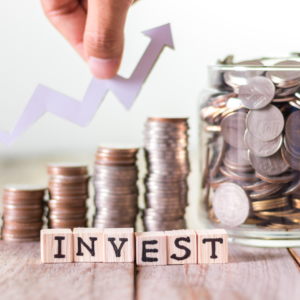
Knowing the best time to invest helps you start building wealth confidently and pause when needed to avoid costly mistakes and protect your long‑term financial stability.
The Best Time to Invest: When You’re Financially Ready
The best time to invest has nothing to do with the stock market and everything to do with your personal financial foundation. You’re ready to invest when these boxes are checked:
→ You Have an Emergency Fund
Start with $500–$1,000, then build it up to 3 months of expenses.
This protects you from needing to pull money out of investments during a downturn.
→ You’ve Paid Off High‑Interest Debt
Debt above 15–20% interest grows faster than most investments.
Paying it off gives you a guaranteed return.
→ You Have a Stable Income
You don’t need a high income, just constant cash flow so you can invest consistently.
→ You Understand the Basics
You know:
- what you’re investing in
- how it works
- why you chose it
→ You’re Investing for the Long Term
Investing works best when you give your money years, not weeks.
If these are in place, you’re ready — no matter what the market is doing.
The Best Time to Invest: When You Can Be Consistent
The most successful investors invest regularly.
Investing the same amount on a schedule (weekly, bi‑weekly, monthly) smooths out market ups and downs.
Why DCA Works
- You buy more when prices are low
- You buy less when prices are high
- You avoid emotional decisions
- You build wealth steadily over time
Example
If you invest $100 every month, you’ll invest during:
- highs
- lows
- crashes
- recoveries
Over time, this averages out and reduces risk.
The Best Time to Invest: When the Market Is Down (If You’re Prepared)
Market dips, corrections, and crashes can be opportunities, but only if you’re financially stable and emotionally calm about it
Why Downturns Can Be Good
- Prices are lower
- You get more value for your money
- Historically, markets recover
Example
If a fund drops from $100 to $70, your $100 buys more shares.
Important
Do not invest during a downturn if:
- you’re panicking
- you’re borrowing money
- you don’t understand the investment
When Not to Invest
Sometimes, pausing is the smartest move.
- When You Don’t Have an Emergency Fund
Without savings, you may be forced to withdraw investments at the worst time.
- When You Have High‑Interest Debt
If your credit card charges 20% interest but your investments earn 6%, you lose money.
- When You Need the Money Soon
Money needed within 1–2 years should stay in savings, not investments.
Examples:
- moving
- buying a car
- tuition
- emergency expenses
- When You’re Investing Out of FOMO
What FOMO Means in Investing
FOMO stands for Fear of Missing Out.
It happens when people feel pressured to invest because others are making money or talking about a “hot” opportunity.
Examples of FOMO:
- “Everyone is buying this — I should too.”
- “This stock is exploding — I don’t want to miss out.”
- “People are getting rich from this crypto project.”
Why FOMO is dangerous:
- It leads to emotional decisions
- It pushes you into investments you don’t understand
- It increases the risk of buying at the top
- It often results in losses
Investing should be intentional, not emotional.
FOMO leads to emotional decisions.
Red flags:
- “Everyone is buying this”
- “This stock is exploding”
- “I don’t want to miss out”
- When You Don’t Understand the Investment
If you can’t explain it simply, you’re not ready.
This includes:
- complex funds
- high‑risk assets
- crypto projects
- trendy investments
- When You’re Using Money You Can’t Afford to Lose
Never invest money you need for rent, bills, or emergencies.
What Actually Matters More Than Timing
Most people think investing success comes from timing the market.
In reality, it comes from:
Time in the Market
The longer you invest, the more your money can grow.
Consistency
Small, regular contributions beat big, inconsistent ones.
Diversification
Spreading your money across different investments reduces risk.
Staying Calm During Market Swings
Emotions are the biggest wealth killer.
Real‑Life Examples
Example 1: The Early Starter
Invests $100/month starting at age 25.
By age 60, they could have $150,000–$200,000+, depending on returns.
Example 2: The Late Starter
Invests $200/month starting at age 40.
By age 60, they could still build $80,000–$100,000+.
Example 3: The Market Timer
Waits for “the perfect moment.”
Misses opportunities.
Invests less.
The lesson: starting matters more than timing.
How to Start Investing Step‑by‑Step (Beginner-Friendly)
Starting to invest doesn’t have to feel overwhelming. A simple, clear process helps you build confidence and stay consistent.
Step 1: Build your emergency fund
Start with $500–$1,000, then work toward 3 months of expenses.
Step 2: Pay off high‑interest debt
Anything above 15–20% interest grows faster than most investments.
Step 3: Choose your investment account
Common options include:
- TFSA
- RRSP
- Employer retirement plan
- Standard brokerage account
Step 4: Pick beginner‑friendly investments
Many beginners choose:
- index funds
- ETFs
- balanced funds
- diversified portfolios
Step 5: Automate your contributions
Automation removes emotion and builds consistency.
Step 6: Review your plan once a year
A yearly check‑in keeps you aligned with your goals.
Common Mistakes New Investors Make
Avoiding these mistakes can save you money, stress, and years of frustration.
- Investing without an emergency fund
- Trying to time the market
- Investing out of FOMO
- Putting money into investments you don’t understand
- Checking your portfolio too often
- Selling during downturns
- Using money you can’t afford to lose
Beginner‑Friendly Investment Options
You don’t need complicated investments to build long‑term wealth.
Here are simple, accessible options that work well for beginners:
Index Funds: Track the market and offer broad diversification.
ETFs: Low‑cost, diversified, and beginner‑friendly.
Balanced Funds: Mix stocks and bonds for lower risk.
Retirement Accounts: TFSAs and RRSPs help your money grow tax‑efficiently.
Automated Portfolios: Great for hands‑off investors who want simplicity.
Final Takeaway
The best time to invest is when you’re ready, not when the market looks perfect.
There will never be a perfect moment.
Markets rise, fall, and recover, but your financial progress depends on:
- your readiness
- your consistency
- your long‑term mindset
- your ability to stay calm
- your willingness to start
Start when you’re ready, and stay consistent.
(Educational only — not financial advice.)